
Oreopanax
Oreopanax
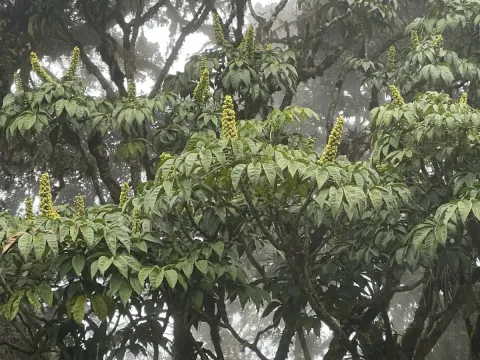
Oreopanax is a genus of evergreen trees and shrubs belonging to the Araliaceae family. These plants are native to the tropical and subtropical regions of Central and South America, typically thriving in moist, high-altitude forest ecosystems.
What the section contains


Oreopanax
Botanically, the plant is characterized by its large, leathery leaves, which can be simple or palmately lobed depending on the species. The architecture of the plant makes it a prized ornamental specimen for conservatories, atriums, and large interior spaces.
Successful cultivation of Oreopanax requires bright, indirect light conditions. While the plant can tolerate lower light levels, it grows most vigorously when exposed to consistent, filtered sunlight, which maintains the density and color of its foliage.
The soil requirements are specific: the substrate must be well-drained and slightly acidic. A mix consisting of peat, leaf mold, and perlite is generally recommended to ensure proper aeration and prevent water stagnation at the root zone.
Maintaining a stable climate is crucial for Oreopanax. The ideal temperature range is between 18°C and 24°C. Furthermore, it is essential to provide high humidity, which can be achieved through regular misting or using professional humidification systems.
Common pests affecting Oreopanax include spider mites, scale insects, and mealybugs. These pests thrive in dry environments, making it vital to monitor the plant's health, particularly during the winter heating season.
Root rot remains the most significant disease risk, typically caused by overwatering or poor drainage within the container. To prevent this, the growing medium should be allowed to dry slightly between watering intervals.
Effective pest management involves regular leaf inspection and the application of insecticidal soaps or horticultural oils if an infestation is detected. Keeping the foliage clean helps the plant perform gas exchange efficiently and deters pests.
Nutrient deficiencies, while not a direct disease, can make the plant susceptible to environmental stress. Applying a balanced liquid fertilizer during the active growing season supports structural integrity and improves overall plant health.
In cases of severe root disease, surgical removal of damaged roots followed by repotting into fresh, sterile substrate is necessary. Careful monitoring of soil moisture post-repotting is essential for the recovery of the specimen.