
Oreopanax peltatus
Oreopanax peltatus
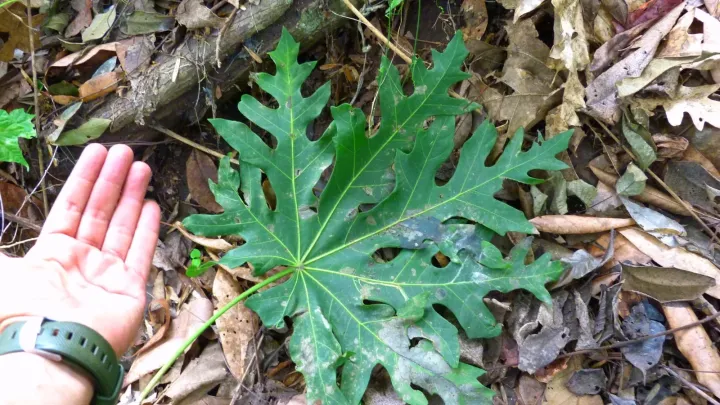
Description
Growing requirements
Oreopanax peltatus is a prominent member of the Araliaceae family, highly valued in horticulture for its spectacular, peltate foliage. It grows as an evergreen shrub or small tree, bringing a lush, tropical aesthetic to indoor and conservatory settings.
The plant originates from the high-altitude forests of Mexico and parts of Central America. Because of its native environment, it thrives best in stable temperatures that avoid extreme heat or frost, preferring cool to moderate conditions.
Successful cultivation requires a well-draining, nutrient-rich substrate. A standard mix for this species usually includes peat moss, perlite, and bark to ensure that the root system remains aerated while retaining consistent moisture.
Humidity is a critical factor for the health of Oreopanax peltatus. Maintaining ambient humidity levels above 60% is essential for preventing the edges of the leaves from drying out and turning brown during the growing season.
This species prefers bright, filtered light. It is sensitive to direct sun exposure, which can scorch its expansive leaves. Therefore, positioning it behind sheer curtains or in a north-facing area with ambient light is ideal for optimal growth.
Main diseases and pests
Common pests affecting Oreopanax peltatus include spider mites, which are particularly active in environments where the air is too dry, leading to webbing and leaf discoloration.
Scale insects can also be a significant issue, attaching themselves to the stems and the undersides of the leaves, drawing nutrients and causing stunted growth.
Root rot is the most frequent pathological threat, usually caused by overwatering or poor drainage. This leads to rapid decay of the root system and eventual plant collapse.
Maintaining high hygiene standards by wiping leaves with a damp cloth and ensuring good ventilation helps mitigate the risk of pest colonization and fungal outbreaks.
If an infestation occurs, targeted application of neem oil or insecticidal soap is recommended, provided that the plant is not kept under direct, harsh light during the treatment process.