
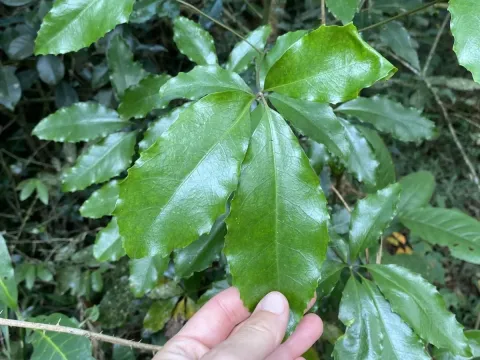
Neocussonia
Neocussonia
Neocussonia is a genus of evergreen trees and shrubs belonging to the Araliaceae family. These plants are known for their architectural foliage and upright growth habit, which makes them highly valued in botanical collections and specialized landscaping.
What the section contains

Neocussonia
Originating from the tropical regions of Africa, these plants thrive in high-humidity environments. To cultivate them successfully, it is essential to mimic their native habitat by maintaining warm temperatures and avoiding exposure to sudden cold snaps.
Soil requirements focus on high organic matter content and excellent drainage. A well-aerated potting mix is crucial to prevent root asphyxiation, as the roots are particularly sensitive to anaerobic conditions caused by prolonged waterlogging.
Light management is a key factor in the agronomy of Neocussonia. While they appreciate bright, indirect light, they must be shielded from harsh, direct sunlight to prevent leaf scorching, especially during the summer months when the solar intensity is at its peak.
Fertilization schedules should align with the active growing season. Utilizing a balanced fertilizer, applied at diluted concentrations, helps support the development of the structural foliage that defines this plant's ornamental appeal.
The most common biological threats to Neocussonia include sap-sucking insects like spider mites and mealybugs. These pests thrive in dry environments and can quickly colonize the undersides of leaves, causing chlorosis and eventual leaf drop.
Root system diseases are frequently caused by waterborne pathogens such as Phytophthora or Pythium. These occur primarily due to poor drainage or the use of contaminated water sources, which can compromise the entire vascular system of the plant.
Preventative cultural practices are the primary defense against threats. This includes maintaining proper spacing between plants to encourage airflow, which reduces the incidence of fungal infections and creates a less favorable environment for insect breeding.
Monitoring for signs of stress is vital for early detection. Yellowing leaves, wilting despite adequate soil moisture, or the presence of sticky residue (honeydew) are clear indicators that immediate remedial action is required.
Integrated Pest Management (IPM) strategies, combining biological controls and targeted chemical treatments, are recommended for large-scale production to minimize environmental impact while effectively protecting the crop.