
Oreopanax capitatus
Oreopanax capitatus
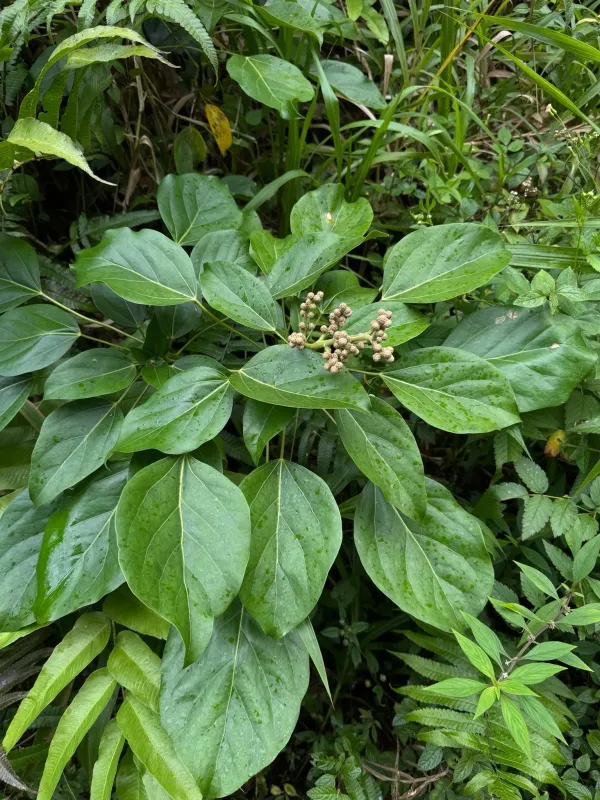
Description
Sowing dates
Propagation of Oreopanax capitatus is typically achieved through seeds or stem cuttings. Seeds should be sown in a well-draining, nutrient-rich potting medium shortly after harvesting to ensure high germination rates.
When propagating via cuttings, select semi-hardwood segments during the active growth season. These cuttings should be kept in a humid environment with bottom heat to promote rapid root development and establishment.
Seedlings require delicate handling during the initial stages of growth. Maintaining a consistent temperature between 22 and 26 degrees Celsius is essential for the healthy development of young plants before they are transplanted into larger containers.
Proper sanitation of tools and substrate is crucial during the sowing process to prevent damping-off disease, which is a common threat to young Araliaceae seedlings. Use sterile peat-based mixes for the best results.
Acclimatization of propagated plants to ambient conditions should be gradual. Moving them slowly from a high-humidity propagation chamber to standard greenhouse conditions reduces transplant shock and encourages robust growth.
Growing requirements
Oreopanax capitatus belongs to the Araliaceae family and originates from the mountain tropical forests of Central and South America. As an evergreen species, it thrives in warm, humid climates and is highly sensitive to frost.
The plant performs best in bright, indirect light. In greenhouse cultivation, light shading is often necessary to protect the large leaves from scorching, as direct sunlight can easily damage the foliage and cause discoloration.
High relative humidity, typically around 70-80 percent, is vital for the health of this species. In lower humidity environments, leaf tips may turn brown, and the plant becomes significantly more susceptible to pest infestations like spider mites.
Soil requirements focus on excellent drainage and aeration. A mixture containing organic matter, such as compost and peat, combined with perlite or coarse sand, creates an ideal environment for the root system to expand without waterlogging.
Regular fertilization during the growing season is recommended to maintain the plant's ornamental appeal. A balanced liquid fertilizer provides the necessary macro and micronutrients for the development of the characteristic dense canopy.
Main diseases and pests
Spider mites are the most persistent pest for Oreopanax capitatus, particularly in dry indoor environments. Regular misting and the application of horticultural oils or acaricides are effective management strategies.
Scale insects and mealybugs can attach themselves to the stems and the undersides of leaves, draining the plant's resources. Manual removal or the use of systemic insecticides helps control these populations before they cause damage.
Root rot, often caused by overwatering and poor soil drainage, is a lethal threat to this plant. It is essential to ensure that the potting medium remains moist but never waterlogged to preserve root health.
Fungal leaf spot may occur if air circulation around the canopy is restricted. Improving ventilation and keeping the foliage dry when watering are simple yet effective ways to reduce the risk of pathogen outbreaks.
Regular inspection of the plant for signs of stress, such as yellowing leaves or drooping stems, allows for early intervention. Maintaining strict hygiene standards in the growing area prevents the spread of diseases between individual plants.