
Metapanax
Metapanax
Metapanax is a genus of evergreen shrubs or small trees belonging to the Araliaceae family. In the wild, these plants are primarily native to East Asia, including regions of China and Vietnam, where they inhabit humid mountain forests with a mild climate.
What the section contains


Metapanax
For successful cultivation, it is necessary to provide conditions that mimic their natural subtropical habitat. The plant requires areas with dappled shade, as direct sunlight can cause leaf scorch, especially in young specimens.
The culture has moderate soil requirements, but it thrives best in well-drained, fertile loams with a neutral to slightly acidic pH. It is essential to maintain consistent soil moisture, avoiding both prolonged drought and waterlogging around the roots.
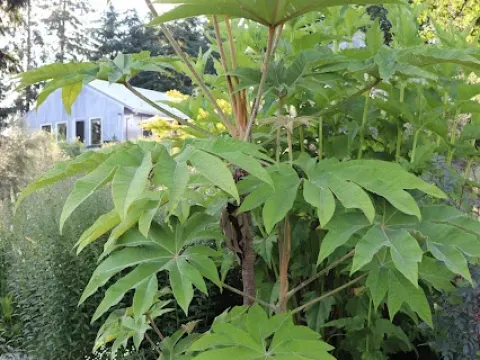
The plant features a distinctive crown architecture with alternate leaves, often possessing the complex leaf structure characteristic of the Araliaceae family. In cultivation, Metapanax is prized as an ornamental foliage plant capable of creating structural focal points in landscape design.
The frost resistance of these species is limited; therefore, in regions with cold climates, the plant requires winter protection or cultivation in conservatories and greenhouses to prevent frost damage to the shoots.
The main threats to Metapanax include root rot, which occurs when irrigation regimes are disrupted or drainage is poor. High humidity levels in enclosed environments may also promote the development of powdery mildew.
Among pests, spider mites pose the greatest danger, as they thrive in the dry air of greenhouses. Additionally, aphid infestations are frequently observed on young growth, where they feed on the plant's cell sap.
Disease prevention relies on following standard agronomic practices: regular ventilation of indoor spaces, sanitary pruning, and balanced watering. Chemical control measures involve the use of systemic fungicides and insecticides upon the first signs of damage.
It is necessary to regularly inspect the underside of leaves for pest colonies. Timely removal of affected plant parts helps to stop the spread of infection to other specimens within a collection.
Proper selection of microclimate at the planting site is the most effective way to protect Metapanax, as a healthy, robust plant possesses a natural immunity against most common pathogens.