
Oplopanax
Oplopanax
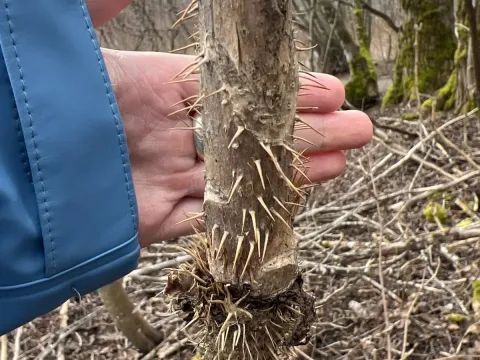
Oplopanax, commonly known as Devil's club, is a member of the Araliaceae family. It is a slow-growing deciduous shrub that is highly regarded for its pharmacological properties, particularly within traditional medicine systems where its roots are prized for adaptogenic effects.
What the section contains


Oplopanax
The plant requires specific ecological conditions, thriving primarily in dense, shaded forest understories. Cultivation efforts must prioritize providing adequate shade to mimic natural forest canopy cover, as direct exposure to sunlight inhibits growth and causes leaf damage.
Soil requirements for Oplopanax are quite specific; it demands well-drained, nutrient-rich soils with high organic matter content. The soil should ideally be acidic to neutral, mirroring the conditions of mountainous forest floors where moisture is consistent throughout the year.
Climatic preferences include cool, moist environments with a stable humidity level. Oplopanax is well-adapted to temperate regions with cool summers and reliable snowfall, which provides necessary insulation for its root system during dormant winter months.
Management of this crop involves maintaining a mulch layer to preserve soil humidity and structure. Because the plant has a delicate and relatively shallow root system, deep cultivation around the base of the shrub must be strictly avoided to prevent physical damage.
Root rot, primarily caused by various Oomycetes and fungal pathogens, represents the most significant threat to Oplopanax populations. This usually occurs when the plant is grown in compacted soils or areas with poor drainage that allow water to stagnate around the roots.
In terms of pests, slugs and snails pose a chronic risk to young shoots and foliage, especially in humid and shaded environments. Furthermore, over-harvesting from the wild has become a major threat to the species, emphasizing the importance of sustainable cultivation techniques.