
Oreopanax xalapensis
Oreopanax xalapensis
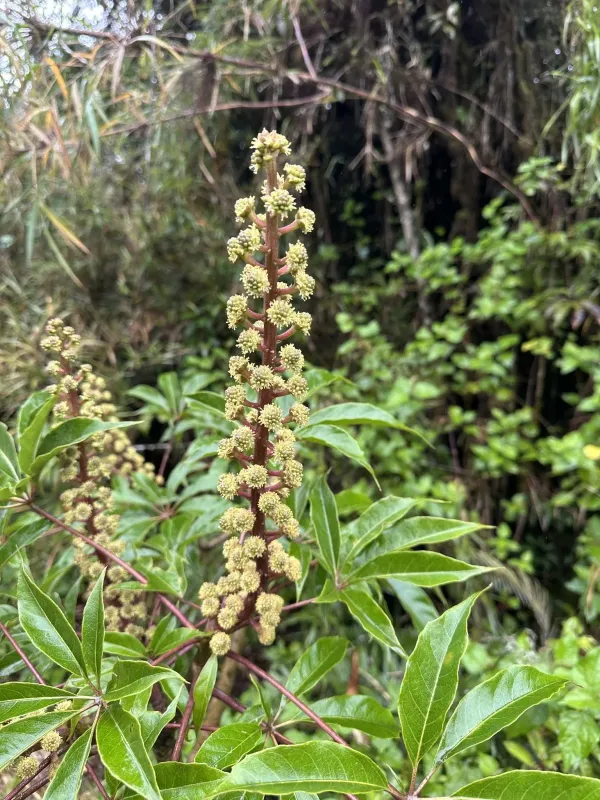
Description
Growing requirements
Oreopanax xalapensis is a prominent member of the Araliaceae family, native to the high-altitude cloud forests of Mexico and Central America. It is appreciated by botanists and ornamental growers for its impressive lobed foliage and architectural form.
In terms of growth requirements, the plant thrives in well-draining, nutrient-rich soil. It is essential to ensure that the growing medium mimics the forest floor environment, which is rich in organic matter and maintains consistent moisture without becoming waterlogged.
The climate requirements involve maintaining a warm environment, ideally between 18°C and 25°C. As an understory plant in its natural habitat, it prefers bright, indirect light; harsh direct sunlight should be avoided to prevent scorched foliage.
Humidity management is crucial for the healthy development of this species. In indoor or greenhouse settings, providing supplemental humidity is beneficial, as the plant can suffer from leaf desiccation in dry air conditions.
Cultural practices include periodic pruning to maintain shape and promote bushiness, especially when the plant is kept in containers. Pruning also helps manage the plant's size, allowing it to fit into smaller conservatory or living spaces successfully.
Main diseases and pests
Common pests affecting Oreopanax xalapensis include spider mites, which typically target the plant during periods of low humidity. These tiny pests cause yellowing of the leaves and can lead to significant defoliation if left untreated.
Root rot, primarily caused by fungal pathogens such as Phytophthora, is a frequent threat when soil drainage is poor. To mitigate this risk, it is essential to use high-quality porous substrate and avoid leaving the plant in standing water.
Scale insects are another potential issue, often found on the undersides of leaves or near the nodes of the stems. Manual removal using a cotton swab dipped in alcohol is often effective for minor infestations on ornamental specimens.
Leaf spot diseases can occur if there is poor air circulation combined with high humidity. Ensuring adequate spacing between plants and maintaining a clean, well-ventilated environment are key preventative strategies for foliage health.
Integrated pest management should be employed, focusing on cultural controls first, such as proper watering and lighting, followed by the use of horticultural oils if necessary to control insect populations without harming the plant.