
Oreopanax dactylifolius
Oreopanax dactylifolius
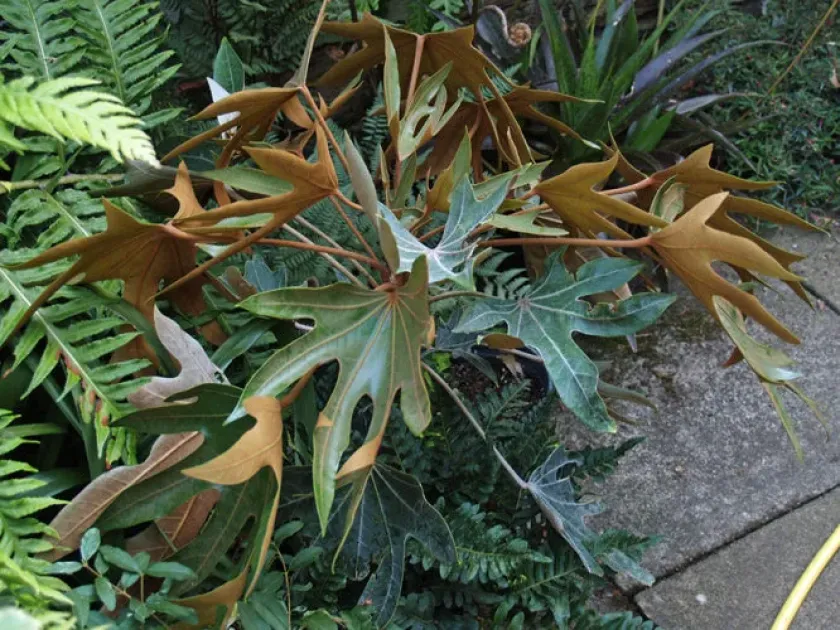
Description
Growing requirements
Oreopanax dactylifolius is an ornamental woody plant belonging to the Araliaceae family, native to the montane tropical forests of Central and South America. It is highly valued for its striking palm-like foliage that adds a lush, architectural feel to tropical-style gardens and conservatories.
Botanically, this species is characterized by its large, deeply lobed leaves which emerge on woody stems. In its native habitat, it thrives in humid, shaded forest understories, which dictates its specific requirements for successful cultivation in captivity.
The plant requires bright, indirect light to maintain its vibrant leaf color and overall health. Exposure to intense, direct sunlight, especially in the afternoon, should be avoided as it can scorch the delicate leaf surfaces, leading to unsightly brown patches.
Soil requirements focus on a well-draining, nutrient-rich potting mix that retains moisture without becoming waterlogged. A mixture containing organic compost, peat moss, and coarse perlite is ideal for ensuring adequate aeration for the sensitive root system.
Maintaining high ambient humidity is crucial for Oreopanax dactylifolius, particularly in heated indoor environments. Regular misting of the foliage or the use of a room humidifier will prevent the edges of the leaves from drying out and crisping over time.
Main diseases and pests
Spider mites are the most common pests encountered with Oreopanax dactylifolius, particularly when the plant is kept in low-humidity environments for extended periods.
Scale insects can also infest the stems and the undersides of the leaves, often requiring careful manual removal or the application of specialized horticultural oils.
Root rot remains a primary concern for growers, usually resulting from poor drainage or irrigation practices that leave the roots sitting in stagnant water.
- Monitor leaf discoloration regularly.
- Avoid overwatering during winter dormancy.
- Ensure proper ventilation to prevent fungal leaf spots.
Adhering to a strict integrated pest management schedule helps to minimize the risk of significant damage while ensuring the plant maintains its aesthetic appeal throughout the year.