
Heptapleurum bodinieri
Heptapleurum bodinieri
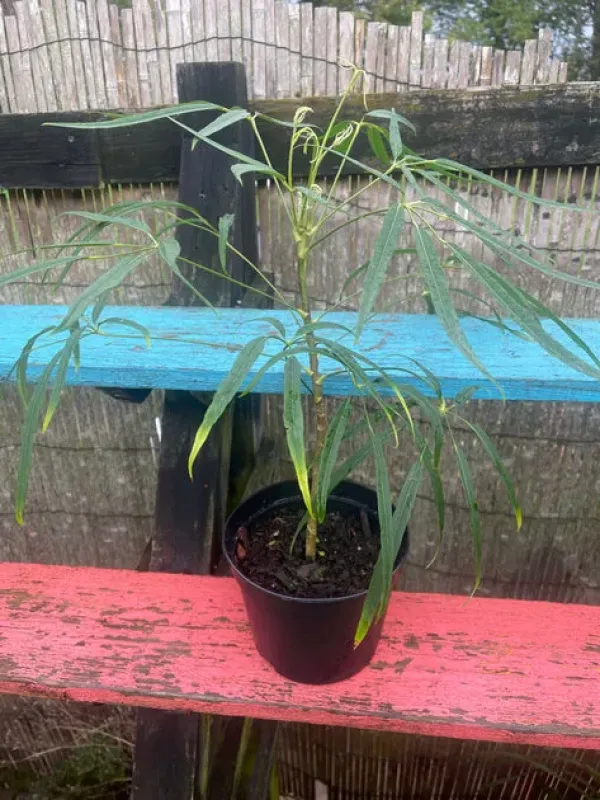
Description
Growing requirements
Heptapleurum bodinieri is a notable species within the Araliaceae family, recognized for its complex compound leaves and robust growth habit. This plant is traditionally native to the forest ecosystems of Asia, where it adapts to the filtered light conditions of the tropical understory.
Botanically, the species is characterized by a lignified stem structure and evergreen foliage that maintains its structural integrity throughout the year. It thrives in high-humidity environments and is highly sensitive to rapid shifts in atmospheric moisture levels.
Cultivation requires a well-structured, nutrient-dense growing medium with a slightly acidic pH. Effective moisture management is paramount; the substrate should remain consistently moist but never waterlogged to ensure optimal physiological function and nutrient uptake.
Agronomic practices for this culture involve maintaining temperatures between 18°C and 25°C and providing filtered natural light. Periodic pruning is often necessary to control height and encourage the development of denser lateral branching, which enhances the plant's ornamental value.
The primary utility of Heptapleurum bodinieri lies in the horticultural industry, particularly for commercial indoor landscaping and botanical display. Its ability to adapt to container-based cultivation makes it a preferred choice for large-scale interior design projects.
Main diseases and pests
The plant is susceptible to various fungal pathogens if ventilation is insufficient or if the soil is too wet for extended periods. Root rot is the most common physiological disorder affecting the health and longevity of the plant in controlled environments.
In terms of entomological threats, common glasshouse pests such as spider mites and scale insects are frequently encountered. Integrated pest management strategies, including the use of systemic insecticides and proper environmental control, are essential for maintaining crop quality.