
Heptapleurum stellatum
Heptapleurum stellatum
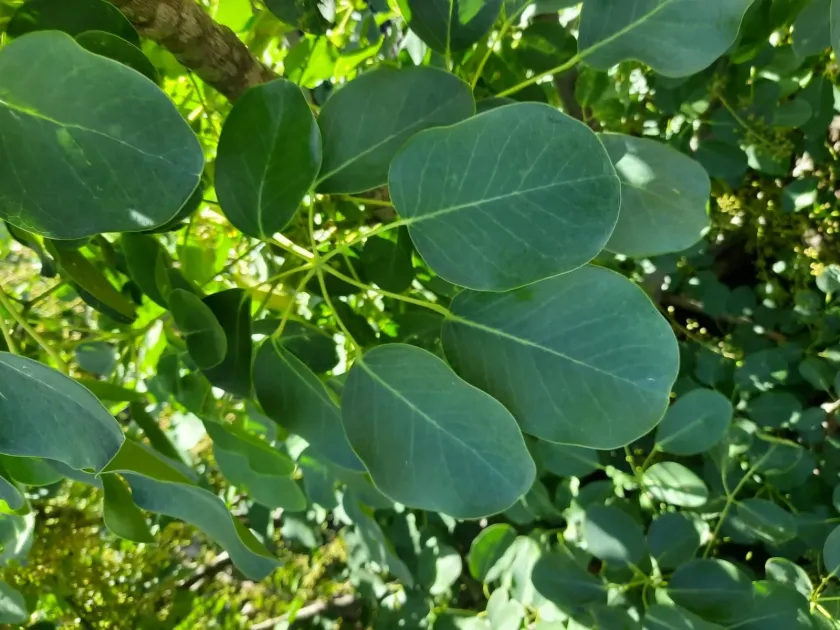
Description
Growing requirements
Heptapleurum stellatum is a member of the Araliaceae family, native to the tropical regions of Asia, specifically mountain forests in India and Sri Lanka. It is recognized for its ornamental foliage and robust structural growth.
The cultivation of this species requires a stable tropical climate. It thrives in temperatures between 20°C and 25°C. Exposure to temperatures below 10°C can cause significant physiological damage to the foliage.
Soil requirements are strict regarding drainage. A well-aerated, fertile substrate with a neutral to slightly acidic pH is ideal for promoting healthy root development and overall plant vigor.
Light management is crucial for this culture. It requires bright, indirect sunlight to maintain its characteristic leaf coloration. Direct high-intensity sunlight is detrimental and often leads to leaf scorching.
Watering practices must be disciplined. The growing medium should be kept moist but never waterlogged. High ambient humidity is also necessary to mimic the natural environment of this rainforest native.
Main diseases and pests
Pest pressure is primarily driven by sap-sucking insects. Scale insects and spider mites are the most common threats that can undermine the health of the plant if not managed effectively.
Fungal diseases, such as root rot, are typically associated with poor drainage and excessive irrigation. Prevention involves maintaining optimal soil moisture levels and ensuring proper drainage paths.
Powdery mildew may occur if air circulation is insufficient within the planting area. Ensuring adequate spacing between plants is a key agricultural practice to reduce the risk of disease spread.
Monitoring the undersides of the leaves for early signs of infestation is recommended. Early intervention with suitable pesticides or biological control agents can prevent large-scale damage to the crop.
Nutrient deficiencies or toxicities can manifest as leaf discoloration. Maintaining a balanced fertilization schedule is essential to strengthen the plant's natural resistance against common pathogens.