
Heptapleurum taiwanianum
Heptapleurum taiwanianum
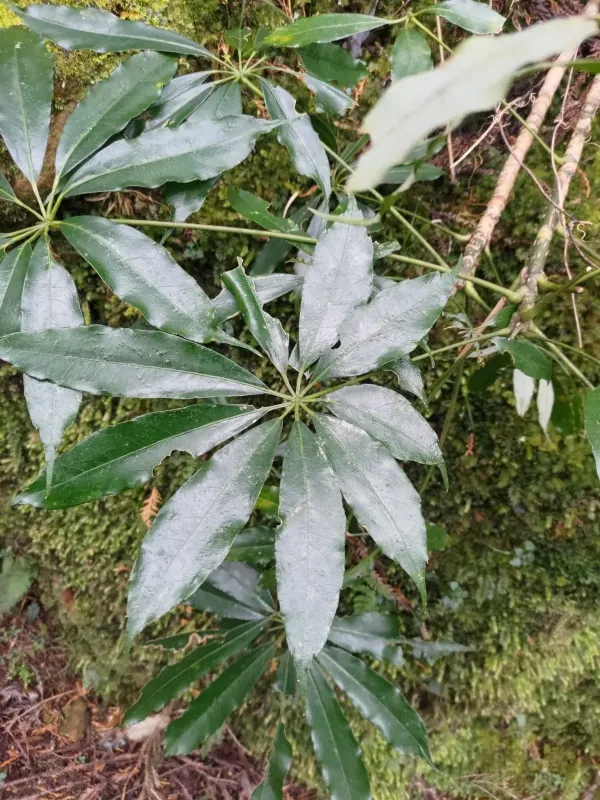
Description
Growing requirements
Heptapleurum taiwanianum is a distinct species belonging to the Araliaceae family, known for its elegant, glossy, palmately compound foliage. As a tropical evergreen, it serves as a sophisticated element in botanical collections and indoor horticulture.
Native to the mountain forests of Taiwan, this plant thrives in environments that mimic its natural habitat's high humidity and mild temperatures. It is highly valued for its vertical growth habit and evergreen characteristics.
Successful cultivation requires a well-draining soil mix rich in organic matter. Maintaining a stable pH level is crucial, as the plant prefers slightly acidic to neutral soil conditions to ensure proper nutrient uptake.
Temperature management is key; the plant performs best in a range of 18–24°C. Exposure to sudden cold drafts must be strictly avoided, as the species is sensitive to rapid thermal fluctuations, which often cause leaf drop.
Regarding light, bright but indirect light is ideal. While the plant can tolerate lower light levels for short periods, consistent exposure to diffused sunlight promotes dense growth and maintains the vibrant green color of its leaves.
Main diseases and pests
Spider mites are the most common pest, especially in dry indoor air conditions. Infestations lead to stunted growth and mottled leaves, necessitating the use of specialized miticides or consistent humidity control.
Mealybugs are frequently observed on the stems and undersides of leaves. Early detection is critical, as these pests can rapidly sap the plant's vitality; manual removal combined with systemic insecticidal treatment is recommended.
Root rot, driven by overwatering or poor drainage, is a common physiological threat. It is essential to ensure that the pot has adequate drainage holes and that the top layer of soil dries slightly between waterings.
Fungal leaf spot diseases may occur if air circulation is insufficient. Improving ventilation around the plant and avoiding overhead irrigation of the leaves can effectively reduce the risk of these pathogens.
In cases of severe infestation or systemic disease, strict quarantine of the affected plant is necessary to prevent the spread of pests or fungi to other cultivated specimens in the immediate vicinity.