
Alpine Heptapleurum
Heptapleurum alpinum
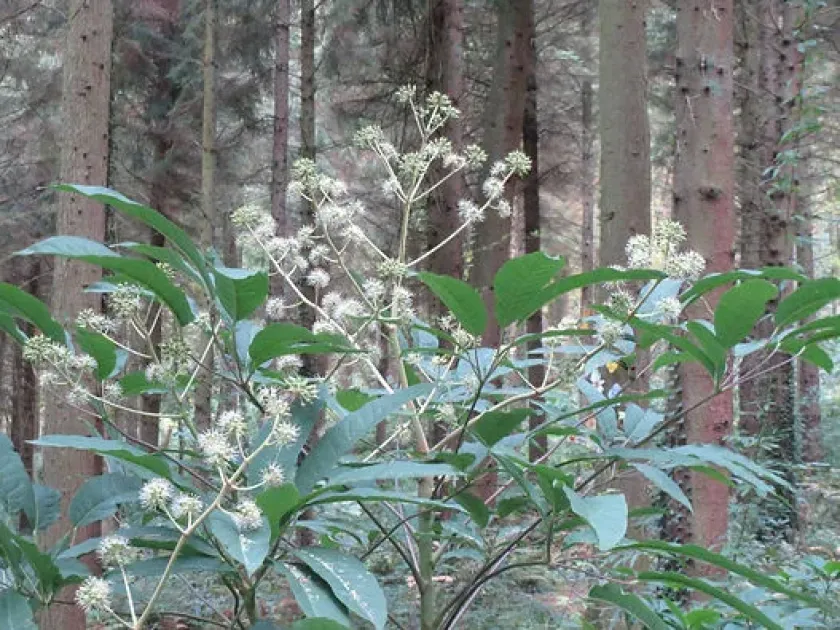
Description
Growing requirements
Alpine Heptapleurum (Heptapleurum alpinum) is a member of the Araliaceae family. It is an evergreen species that originates from alpine regions, requiring specific environmental conditions for healthy development.
The plant thrives in well-drained, nutrient-rich soils. It is crucial to maintain a proper balance of organic matter to ensure root health and prevent the substrate from becoming waterlogged.
In terms of climate, it prefers cool to moderate temperatures and high humidity levels. Excessive heat or direct sunlight can cause leaf stress and reduce the overall vigor of the crop.
Agricultural management includes regular fertilization during the active growing season. Using a balanced NPK fertilizer helps maintain the plant's structural integrity and vibrant foliage.
During the dormant period, it is essential to reduce irrigation and provide cooler temperatures to mirror its natural alpine cycles. Consistent monitoring of environmental parameters is the key to success.
Main diseases and pests
Common pests affecting this crop include spider mites and scale insects, which typically thrive in indoor environments with low humidity.
Root rot remains the most significant disease threat, often triggered by over-irrigation or soil that lacks proper aeration and drainage capabilities.
Pest control strategies should involve regular monitoring and the use of eco-friendly insecticidal soaps or systemic treatments when necessary.
Preventative measures against fungal infections involve implementing strict sanitation protocols and ensuring optimal air circulation around the plants.
Maintaining a healthy root environment through proper soil selection significantly reduces the risk of long-term disease impacts on the crop cycle.