
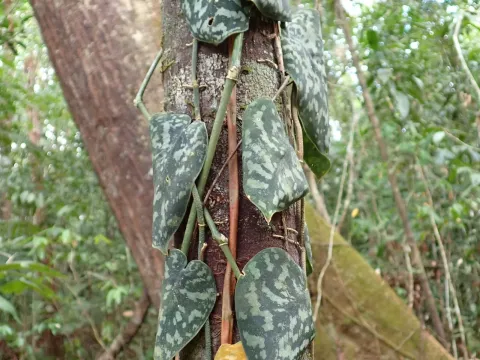
Scindapsus
Scindapsus
Scindapsus is a genus of evergreen climbing vines belonging to the Araceae family. Originating from the tropical forests of Southeast Asia and surrounding islands, these plants are well-adapted to the humid understory, where they climb trees using aerial roots.
What the section contains


Scindapsus
The botanical profile of the plant includes simple, alternate leaves that are often heart-shaped and sometimes variegated with silver, yellow, or white patterns. In cultivation, Scindapsus is valued for its hardiness and ability to thrive as a trailing vine in hanging baskets.
To ensure optimal growth, the plant requires bright, indirect light. While it can tolerate lower light levels, variegated varieties may lose their characteristic color if kept in deep shade for prolonged periods, negatively impacting their decorative value.
The substrate must be well-draining and nutrient-rich, typical of an aroid mix. A combination of peat, perlite, and pine bark is often ideal, as it allows for proper aeration of the root system while retaining sufficient moisture for active growth.
Economically, Scindapsus is primarily utilized in the interior landscaping industry. It is globally recognized as an effective air-purifying plant, capable of filtering indoor pollutants like volatile organic compounds, making it a staple in residential and office plant collections.
Common pests that may affect Scindapsus include spider mites, mealybugs, and scale insects. These pests often appear when the plant is stressed or kept in environments with low humidity, necessitating prompt intervention with horticultural soaps or neem oil.
Root rot is the most significant disease for this crop, usually caused by overwatering or poor drainage. Symptoms include yellowing leaves and mushy stems; correction requires removing affected roots and repotting the plant into fresh, dry substrate.
Bacterial or fungal leaf spots can develop if water accumulates on the foliage for extended periods. To prevent this, it is recommended to water the soil directly and ensure good air circulation around the vines to keep the surface of the leaves dry.
Nutrient deficiencies, specifically nitrogen, may lead to chlorosis or stunted vine development. A balanced liquid fertilizer applied during the growing season is crucial for maintaining vibrant leaf color and overall plant vigor.
To maintain plant health, it is essential to monitor for early signs of infestation and environmental stress. Regular wiping of leaves also helps keep the plant clean, improves photosynthesis, and allows for early detection of potential pest issues.