
Peltandra sagittifolia
Peltandra sagittifolia
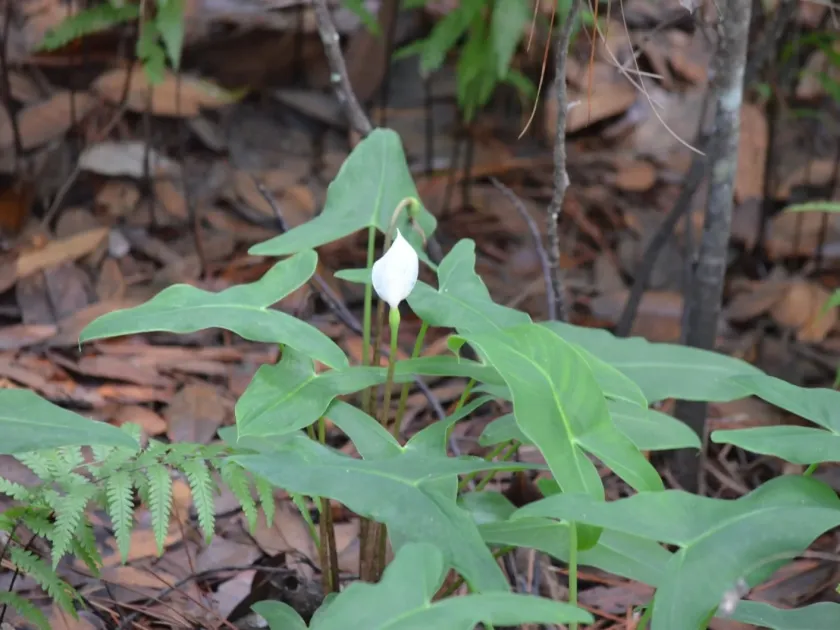
Description
Sowing dates
Peltandra sagittifolia, a member of the Araceae family, is typically propagated through seeds that require moist conditions to maintain viability.
Sowing should take place shortly after seed maturation in the autumn, allowing for a natural cold-moist stratification period during winter.
Seeds are best planted in containers filled with nutrient-rich silt or organic mud, submerged in shallow water to mimic natural wetland habitats.
Vegetative propagation via rhizome division is a standard agricultural practice for cloning successful specimens during the dormant season.
Ensuring adequate spacing of 45–60 centimeters between plants allows for optimal development of the iconic arrow-shaped foliage.
Growing requirements
This species thrives in hydric soils and is strictly suited for environments where the root system remains constantly saturated or submerged.
The ideal substrate consists of a rich, silty, or peaty mixture with a slightly acidic to neutral pH, providing necessary organic enrichment.
High light exposure is critical for the plant to achieve its full potential, though it can tolerate partial shade in hotter climates.
Climate requirements include protection from extreme frost, as the crown of the plant should remain below the water line to avoid lethal freezing.
Water quality is a key agronomic factor; stagnant conditions with low oxygen levels may lead to poor plant vigor over time.
Yield
The primary utility of Peltandra sagittifolia lies in its ornamental value for pond edges, wetlands, and ecological restoration projects.
Historically, the starchy rhizomes have been noted for their food potential, though rigorous processing is mandatory to remove calcium oxalate crystals.
Biomass productivity of the foliage is most impressive when the plants are established in nutrient-rich, stable aqueous environments.
Individual clusters are highly perennial and can remain productive for many seasons, requiring minimal intervention once fully established.
Agronomic yield is characterized by the density of the foliage cover and the number of spathe-spadix inflorescences produced annually.
Main diseases and pests
Typical pests include aquatic snails and various larvae that feed on the soft, succulent leaf tissues during the peak of the growing season.
Root rot caused by fungal pathogens often occurs if the soil becomes compacted or if water circulation is completely absent in the root zone.
Chlorosis may appear if the water pH fluctuates significantly, disrupting the plant's ability to uptake vital mineral nutrients.
Preventative cultural practices, such as maintaining good water hygiene and thinning overcrowded clusters, are the most effective management tools.
Chemical control is rarely recommended due to the sensitive ecological impact on the surrounding water, favoring physical removal of pests instead.