
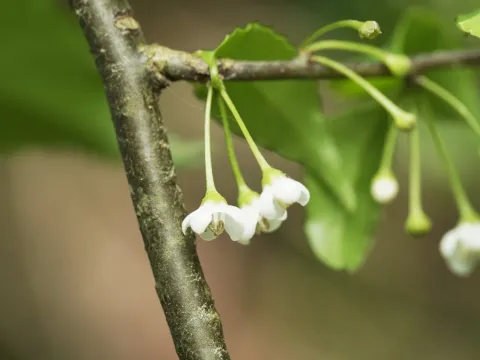
Ilex asprella
Ilex asprella
Ilex asprella, commonly known as rough holly, is a deciduous shrub belonging to the Aquifoliaceae family. Propagation is primarily achieved through seed sowing or cutting techniques, which are standard for maintaining the species' integrity in professional cultivation.
What the section contains
Ilex asprella
Seeds require a period of stratification to break dormancy. Sowing should ideally take place in the autumn, allowing the seeds to undergo natural winter chilling. Alternatively, artificial stratification in a cold environment for 2–3 months before spring planting is highly recommended.
Propagation by cuttings involves selecting semi-hardwood segments during late summer. These cuttings require a humid, temperature-controlled environment to facilitate root development, usually within a greenhouse or a specialized propagation frame.
Proper spacing is crucial when transplanting seedlings into the field. Maintaining a distance of at least 1.5 to 2 meters between individual plants ensures that each specimen has sufficient room for root growth and adequate airflow, reducing the risk of fungal spread.
Young plants are highly sensitive during their first two years. Providing temporary shade and consistent moisture management is essential to prevent heat stress and dehydration, ensuring that the root system develops robustly before moving to full outdoor exposure.
Native to parts of East and Southeast Asia, Ilex asprella thrives in subtropical climates with high humidity. Optimal growth is observed in regions where temperature ranges remain moderate, typically between 15°C and 28°C throughout the growing season.
The shrub prefers fertile, well-draining soils with a slightly acidic to neutral pH. High organic matter content in the soil profile supports healthy foliage development and improves the plant's overall resilience against environmental stress.
Water management is critical. While the plant loves moisture, waterlogging must be avoided at all costs. An efficient drainage system, combined with a mulch layer of peat or organic bark, helps maintain soil moisture while protecting the roots from anaerobic conditions.
Light requirements for Ilex asprella involve filtered sunlight. In their natural habitat, these plants often grow in the understory of forest canopies, so providing partial shade prevents leaf scorching and maintains the health of the plant's cuticle.
Fertilization schedules should focus on nitrogen in the spring to encourage leaf production, followed by potassium-rich amendments in the late summer to improve root health and winter hardiness. Consistent monitoring of soil pH is also necessary for optimal nutrient uptake.
In agricultural settings, Ilex asprella is primarily cultivated for its medicinal properties, particularly the roots and branches. The economic yield is measured by the biomass produced over a multi-year growth cycle before harvest.
A typical harvest cycle spans 4 to 6 years. During this period, the plant accumulates essential phytochemicals, including triterpenoids. The maturity of the plant is indicated by its size and the health of its woody stems.
Harvesting is usually conducted in the autumn when the plant enters dormancy, as this is when the concentration of beneficial compounds is highest. The roots are excavated, thoroughly cleaned, and dried under controlled conditions to ensure quality standards.
Average yield per plant depends on the intensity of the farming practices applied. Intensive management, including precise irrigation and balanced fertilization, can increase total output, making the cultivation economically viable for herbal pharmaceutical production.
Beyond its pharmacological use, the plant's yield can also be defined by its aesthetic appeal. The glossy foliage and attractive fruit clusters make Ilex asprella a valuable commodity for the landscaping industry and ornamental plant trade.
The main threats to Ilex asprella involve fungal pathogens, particularly leaf spot diseases, which often thrive in humid conditions where air circulation is restricted. Proper spacing and pruning are the best preventative measures against these issues.
Scale insects and aphids are the most common pests. These insects attach themselves to stems and the undersides of leaves, extracting sap and leaving behind honeydew, which can trigger secondary problems like sooty mold infections.
Root rot is a significant danger if the soil drainage is inadequate. Once established, this condition is difficult to reverse, making preventative site preparation and controlled watering the primary tools for long-term plant health.
Minor infestations can be managed through regular monitoring and manual removal, while severe outbreaks may require systemic insecticides or targeted fungicide applications to save the plant population.
- Periodic sanitary pruning to remove dead or diseased branches.
- Ensuring proper ventilation to keep the foliage dry.
- Using organic mulch to regulate soil temperature and moisture.
- Integrated pest management using biological controls like ladybugs.