
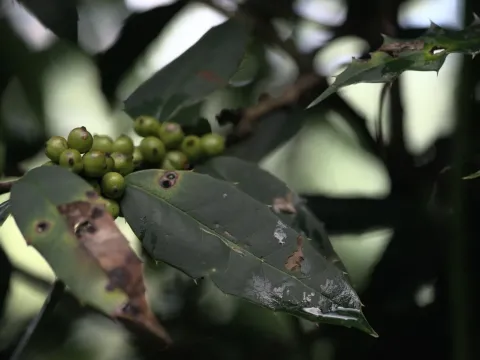
Himalayan holly
Ilex dipyrena
Himalayan holly (Ilex dipyrena) is a prominent evergreen tree species belonging to the Aquifoliaceae family. It is characterized by its stiff, leathery leaves and a robust growth habit that makes it a distinct choice for both ornamental and ecological plantings in suitable temperate zones.
What the section contains
Himalayan holly
Originating from the mountainous regions of the Himalayas, this species is well-adapted to high-altitude environments where rainfall is plentiful. In agricultural or horticultural settings, it thrives best in regions that mirror its native climate, characterized by cool, moist growing seasons and mild winters.
Soil requirements for Ilex dipyrena center on fertility and drainage. The plant prefers deep, well-draining loamy soils with a slightly acidic to neutral pH. It is crucial to avoid heavy clay soils that retain excess water, as this species is susceptible to root rot in waterlogged conditions.
Light exposure should be carefully managed; while mature specimens can tolerate full sun in cooler climates, young plants often require partial shade to establish properly. Providing a location protected from harsh, drying winds will significantly enhance the tree's health and visual appeal.
Cultural practices include consistent watering during the initial establishment period and the application of organic mulch to regulate soil temperature. Since the plant is evergreen, it maintains active metabolic processes longer than deciduous species, requiring balanced moisture levels throughout the year.
Common pathological threats include fungal leaf spot diseases and powdery mildew, which are often exacerbated by poor air circulation and high humidity within the dense canopy. Pruning to maintain an open structure is the most effective preventative measure against these infections.
Insect pests such as scale insects (Coccidae) are the most significant concern for Ilex dipyrena. These pests feed on sap, which can cause stunted growth and promote the development of sooty mold, leading to a decline in the tree's overall vigor.
Aphids may occasionally infest young terminal shoots during the spring growth flush. Although these infestations are usually localized, persistent colonies can drain the plant's resources and attract secondary problems, necessitating targeted management if numbers exceed thresholds.
Site sanitation is essential to reduce the overwintering potential of pests and disease spores. Removing fallen debris and maintaining a clean area around the base of the plant significantly reduces the inoculum pressure for the coming season.
Integrated pest management strategies are recommended, emphasizing cultural practices first. Chemical interventions should be used judiciously, ensuring that treatments are applied during the susceptible life stages of the target pests to maximize effectiveness and minimize environmental impact.