
Ilex amelanchier
Ilex amelanchier
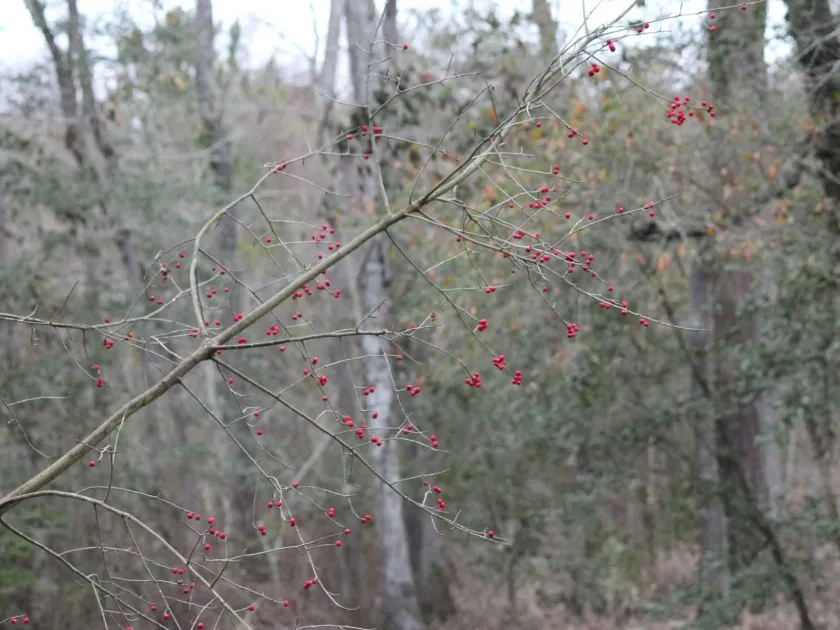
Description
Growing requirements
Ilex amelanchier, commonly known as the swamp holly, belongs to the Aquifoliaceae family. This species is native to the southeastern United States, where it typically thrives in wetlands, swampy forests, and along the banks of slow-moving streams.
The cultivation of this holly requires specific soil conditions. It demands acidic, organic-rich, and consistently moist soil. Providing a substrate that mimics its natural boggy habitat is essential for the long-term health and vitality of the shrub.
Regarding climate, the plant prefers warm temperate zones with high humidity. It is not well-adapted to extreme drought or prolonged soil freezing, making site selection crucial in regions outside its primary native range.
Botanically, it is distinguished by its narrow, oblong leaves and small, bright red drupes. Unlike many other holly species, Ilex amelanchier maintains a relatively slow growth rate, resulting in a dense and often slender silhouette that is highly prized by collectors.
In landscaping, it serves as a unique ornamental feature for moist garden areas. Due to its specific ecological requirements, it is best suited for water-edge plantings or sheltered woodland gardens where moisture levels can be strictly controlled.
Main diseases and pests
Like many members of the genus Ilex, this species is susceptible to root rot if the soil remains waterlogged without proper oxygen exchange. Ensuring the soil is rich in organic matter but not stagnant is key to prevention.
Pests such as scale insects and spider mites are potential threats, particularly in greenhouses or sheltered outdoor environments with low air movement. These pests can severely weaken the plant by sap-sucking on the leaves.
Regular maintenance, including the removal of deadwood and thinning of the interior branches, helps increase airflow. Increased circulation significantly reduces the risk of fungal outbreaks and makes it harder for pests to establish colonies.
Monitoring the health of the foliage is vital. If signs of chlorosis or leaf spotting appear, the plant's nutrient levels and moisture status should be re-evaluated to ensure it is not suffering from soil pH imbalances.
- Monitor for leaf drop or discoloration.
- Avoid over-fertilization with synthetic chemicals.
- Use systemic insecticides only when infestation levels exceed economic thresholds.
- Clean pruning tools between cuts to prevent pathogen transmission.