
Ilex guayusa
Ilex guayusa
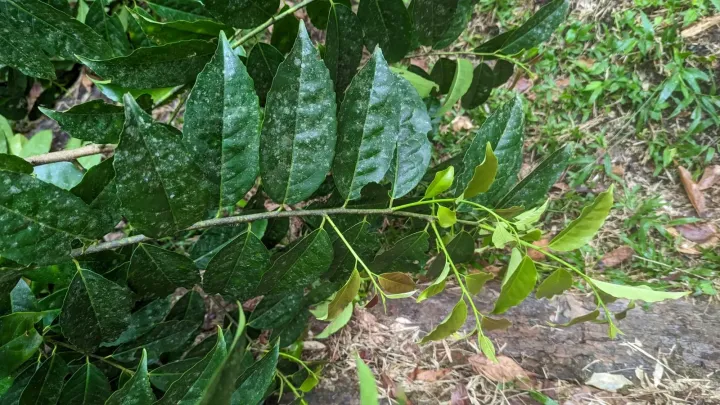
Description
Sowing dates
The propagation of Ilex guayusa in natural conditions occurs mainly through vegetative methods, as the plant's seeds often exhibit low germination rates or their formation is complex. Cutting is the most effective method for establishing new plantations in commercial farming operations.
The optimal time for planting seedlings is at the beginning of the rainy season, which provides young plants with sufficient moisture to establish their root systems. In regions with a controlled microclimate, planting can be carried out throughout the year, provided regular irrigation is maintained.
For a successful crop establishment, it is necessary to maintain an appropriate planting density, which usually ranges from 1,000 to 2,500 plants per hectare. Row spacing must allow for sufficient air circulation, which reduces the risk of fungal disease outbreaks.
Young seedlings require shading during initial stages, as direct exposure to intense tropical sunlight can inhibit root development. Gradual acclimatization to the open field is a crucial element of standard agronomic practice for this species.
Soil preparation involves deep plowing and the incorporation of organic fertilizers to provide a nutrient-rich substrate, which is essential for the vigorous growth of vegetative biomass.
Growing requirements
Ilex guayusa, belonging to the Aquifoliaceae family, is an evergreen tropical tree that can reach heights of up to 20 meters in the wild. It prefers the humid tropical forests of the Amazon basin, particularly in the Andean foothills of Ecuador, Peru, and Colombia.
For optimal growth, the crop requires stable temperature conditions ranging between 20 and 30 degrees Celsius. The plant is highly sensitive to extreme temperature fluctuations and cannot tolerate even short-term frost.
Soils should be deep, fertile, rich in organic matter, and feature excellent drainage. Water stagnation in the root zone is detrimental to this species; therefore, loamy or sandy loam soils with a neutral to slightly acidic pH are preferred.
Rainfall levels in the cultivation area must be significant and evenly distributed throughout the year. Ilex guayusa thrives under high humidity conditions, characteristic of equatorial forest ecosystems.
The culture demonstrates high shade tolerance during early developmental stages. However, for maximum accumulation of bioactive compounds in the leaves, mature trees require adequate light, although they can grow well in traditional agroforestry systems.
Yield
The commercial use of guayusa is centered on harvesting its leaves, which are rich in caffeine, theobromine, and antioxidants. Harvesting begins 2–3 years after planting, once the tree has reached sufficient vegetative maturity.
Yield depends on the age of the tree, planting density, and agronomic management. Industrial plantations utilize regular branch pruning, which stimulates the growth of new foliage and simplifies the harvesting process.
High-quality raw material undergoes a drying process and is subsequently used for producing tonic beverages, infusions, and functional dietary supplements. Guayusa leaves are prized for their smooth, non-bitter taste and balanced energy-boosting effect.
Harvesting is performed manually, taking care not to damage the structural branches, ensuring the longevity of the tree. Under favorable conditions, a single tree can produce biomass actively for several decades.
The export value of the product is steadily increasing, making guayusa cultivation a promising venture for small-scale farmers in South America as an alternative to traditional monocultures.
Main diseases and pests
The primary risks for plantations are related to fungal infections that thrive in high humidity and poor crown ventilation. Timely sanitary pruning is a key preventive measure against the spread of pathogens.
Tropical forest pests, such as various caterpillars and beetle species, can damage the foliage, reducing both the aesthetic quality and the total yield volume. Regular monitoring of the plantations allows for early identification of infestation hot-spots.
Root rots are the most dangerous diseases caused by soil-borne pathogenic fungi. Their development is typically triggered by poor drainage and waterlogged substrates, necessitating strict control over irrigation regimes.
Nematodes may pose a threat when growing on exhausted or contaminated land. Incorporating cover crops and following crop rotation patterns helps minimize the risks posed by soil-borne parasites.
The use of integrated pest management systems, which exclude the use of harsh chemical pesticides, is the industry standard for organic guayusa production, catering to markets that demand environmentally friendly products.
Harvesting
Harvesting is a continuous process if the regional climate allows the plant to grow throughout the year. The bulk of the raw material is obtained by gently cutting back young shoots with leaves.
Harvested biomass is quickly transported to primary processing facilities to prevent fermentation processes that could alter the chemical composition and flavor profile of the final product.
After harvesting, the leaves are sorted, cleaned of impurities, and subjected to controlled drying. Temperature control during drying is critical to preserving the high concentration of beneficial compounds.
Mechanization of the harvest is challenging due to the terrain and the need for selective harvesting, so manual labor remains the dominant method. This provides essential employment for local populations in agricultural regions.
Following drying, the leaf may be crushed or left whole for final packaging. Quality standardization of the product includes testing for compliance with caffeine content regulations and ensuring the absence of toxic contaminants.