
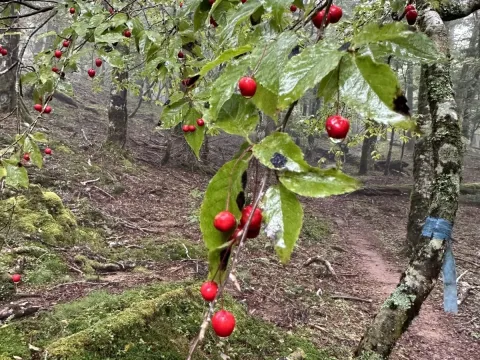
Ilex geniculata
Ilex geniculata
Ilex geniculata, commonly known as the knee-joint holly, is a deciduous shrub species within the Aquifoliaceae family. Unlike evergreen holly species, this plant undergoes a natural leaf drop, providing a unique aesthetic shift in garden landscapes throughout the seasons.
What the section contains
Ilex geniculata
The species originates from the mountainous regions of Japan, where it typically thrives in the understory of mixed forests. This natural habitat indicates a preference for cool, moist climates and protection from extreme temperature fluctuations during the growing season.
Regarding soil requirements, Ilex geniculata demands well-drained, acidic, and organic-rich substrates. The roots are highly sensitive to waterlogging; therefore, effective drainage must be provided, especially when cultivating the plant in heavy clay soils.
Light management is essential for the health of this holly species. While it demonstrates good tolerance for dappled shade, intense direct sunlight should be avoided to prevent foliar scorching and dehydration, particularly during peak summer months.
General horticultural practices for this crop involve consistent mulching to maintain soil moisture and cool root temperatures. Applying organic mulch, such as pine bark or needles, helps sustain the required soil acidity and suppresses unwanted weed competition around the base.
The plant is primarily susceptible to fungal leaf spots that develop during periods of high humidity and poor air circulation. Maintaining proper spacing between shrubs and executing selective pruning to improve airflow is vital for disease prevention.
Insect pests, specifically scale insects and spider mites, may infest the stems and leaves if the plant is stressed by dryness. Integrated pest management, including regular monitoring and the application of horticultural oils, is the most effective approach to control these threats.