
Ilex cymosa
Ilex cymosa
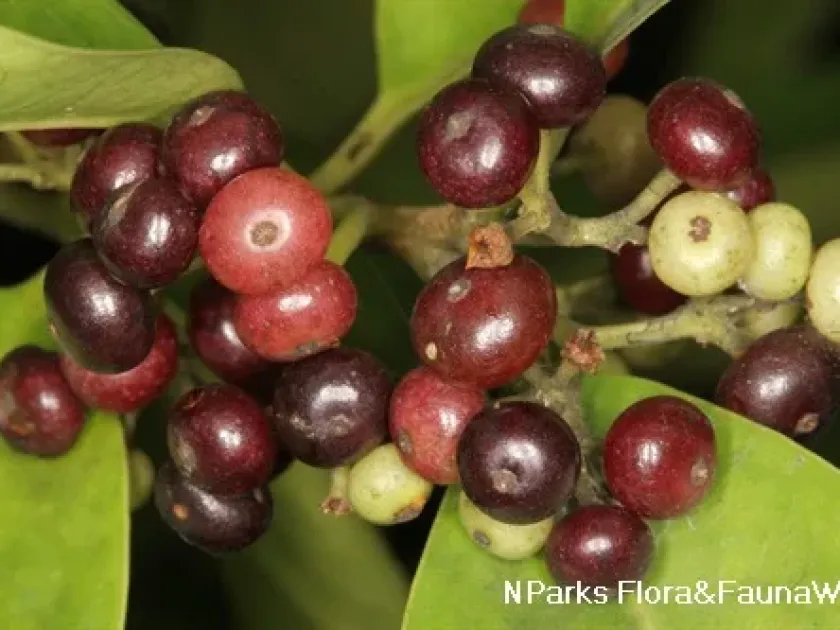
Description
Growing requirements
Ilex cymosa is a distinguished member of the Aquifoliaceae family, native to the tropical regions of Southeast Asia. Unlike many temperate holly species, this plant is adapted to warm, humid tropical climates, typically found in moist forest environments.
Climate requirements for this species are strict; it thrives in temperatures consistently above 20°C and requires high humidity levels. In non-tropical regions, it must be grown in specialized climate-controlled greenhouses to mimic its natural habitat.
The soil profile for Ilex cymosa must be acidic, well-draining, and rich in organic matter. While it appreciates constant moisture, it is highly sensitive to waterlogged conditions, which necessitate the use of porous growing media.
Cultivation practices involve regular fertilization with balanced NPK formulas to support steady foliage growth. Pruning should be done cautiously to maintain the tree's natural structure without stressing the plant during low-light winter months.
The main horticultural use of this plant is ornamental, often utilized in botanical gardens and private collections for its unique floral cymes and evergreen habit. It serves as an excellent structural plant in tropical landscaping projects.
Main diseases and pests
Key pests include spider mites and scale insects, which can quickly colonize the leaves in indoor environments. Effective management involves maintaining adequate ventilation and using neem oil or specific systemic insecticides.
Fungal infections, particularly root rot, pose the most significant threat. Growers must avoid overwatering and ensure that the irrigation schedule matches the plant's metabolic activity, which slows down significantly in cooler or cloudy conditions.