
Southern Cross
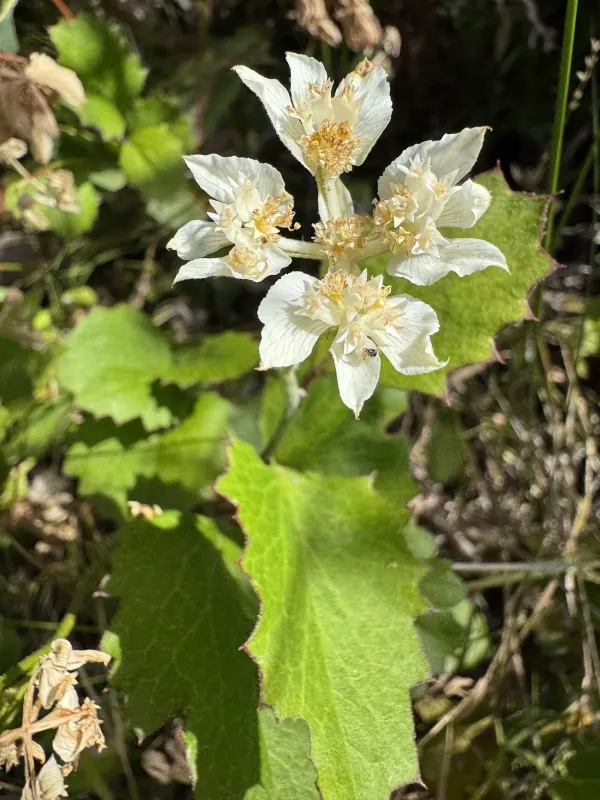
Xanthosia rotundifolia
Description
Sowing dates
Xanthosia rotundifolia, commonly known as the Southern Cross, belongs to the Apiaceae family. Propagating this plant from seed requires mimicking the natural conditions of its native Western Australian habitat, often involving smoke treatment or specific temperature fluctuations.
Seeds should be sown in a sterile, well-draining mix that mimics the sandy soils of the plant's origin. Maintaining consistent moisture without saturation is key to encouraging germination, which can be an extended process.
Once seedlings emerge, they require high light intensity but should be protected from harsh, direct afternoon heat during their early stages of growth. Proper air circulation is vital to prevent damping-off diseases during the initial weeks.
When the plants reach a transplantable size, they must be handled with extreme care due to their delicate, sensitive root system. Using biodegradable pots can help reduce transplant shock significantly.
For commercial production, spacing must be calculated to allow for adequate airflow between mature plants. Proper spacing helps maintain the plant's health and ensures high-quality stems for the cut flower market.
Growing requirements
This species thrives in Mediterranean-type climates, characterized by warm, dry summers and mild, wet winters. In regions outside this climate zone, it is best suited for controlled greenhouse or conservatory environments.
Soil requirements are non-negotiable: the substrate must be extremely well-draining. Heavy, clay-based soils should be avoided or heavily amended with grit or perlite to facilitate drainage and oxygen exchange.
The plant is adapted to nutrient-poor soils. Consequently, it is highly sensitive to phosphorus. Fertilizers used must be specifically formulated for native Australian plants, with very low or zero phosphorus content.
Watering practices must be disciplined. While the plant needs regular moisture during its active growth period, it must never remain waterlogged. Overwatering is the most common reason for failure in cultivation.
Light exposure should be maximized, although the plants may benefit from slight shading in extremely hot climates. Ensuring at least six to eight hours of direct sunlight is necessary to encourage flowering.
Main diseases and pests
Root rot, particularly caused by Phytophthora species, is the most significant threat to Xanthosia rotundifolia. It is virtually impossible to treat once established, making prevention through drainage control the primary defense.
Aphids and mites can pose problems in greenhouse environments, particularly during dry, warm conditions. Regular monitoring of the foliage and flower stems is essential to catch early infestations.
Powdery mildew may occur if air movement is restricted or humidity levels fluctuate improperly. Increasing ventilation and maintaining spacing between plants are the best cultural methods for managing this risk.
Nematodes are another potential hazard, particularly in soil-based setups. Utilizing sterilized growing media and maintaining plant vigor helps the Southern Cross resist such infestations more effectively.
Sanitation is paramount in the care of this species. All pruning tools must be disinfected between plants to prevent the accidental transmission of viruses, which can cause stunted growth and yellowing of the leaves.
Harvesting
The Southern Cross is primarily grown for the specialty cut flower trade, prized for its unique, star-shaped inflorescences. Harvesting is a delicate process that requires precise timing to ensure maximum vase life.
Stems should be harvested in the early morning hours when the plant's water content is highest. This practice significantly improves the post-harvest longevity and structural integrity of the blooms.
Once cut, the stems should be placed immediately into cool, clean water. Using a hydration solution can assist in maintaining the turgor pressure of the delicate flower heads during the initial storage phase.
Grading is based on stem length, flower head maturity, and foliage quality. Only those stems with clean, undamaged foliage and fully developed inflorescences should be selected for commercial sale.
Post-harvest handling requires gentle packaging to prevent the crushing of the flowers. Keeping the product at a consistent, cool temperature between 4 and 6 degrees Celsius is critical until it reaches the end consumer.