
Trinia
Trinia
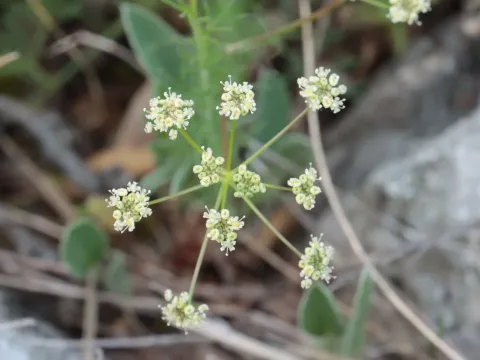
Trinia is a genus of perennial herbaceous plants belonging to the Apiaceae family, characterized by its fine, dissected foliage and complex umbels. These plants are known for their distinct morphological adaptation to dry, open environments across the temperate regions of Eurasia.
What the section contains


Trinia
The natural habitat of the genus includes rocky slopes, steppes, and well-drained grasslands. Because of its evolutionary origin in arid environments, the plant is naturally equipped to handle significant temperature fluctuations and prolonged periods of drought, which is a key aspect of its biology.
Regarding cultivation requirements, the most critical factor is soil drainage. Trinia species are intolerant to waterlogged soils, which quickly lead to root rot. Ideally, the plants thrive in light, sandy, or gravelly soils with a neutral to slightly alkaline pH, mimicking their native conditions.
Exposure to full sunlight is essential for the healthy development of this genus. In their natural environment, these plants do not compete for light with taller vegetation, and in a controlled setting, they require an open, sunny location to maintain their compact growth habit and overall plant health.
While not a major commercial crop, Trinia is of interest for its potential phytochemical properties. Researchers study these plants for their content of essential oils and other secondary metabolites, which are common within the Apiaceae family and may have applications in botanical, medicinal, or flavoring industries.