
Trepocarpus
Trepocarpus
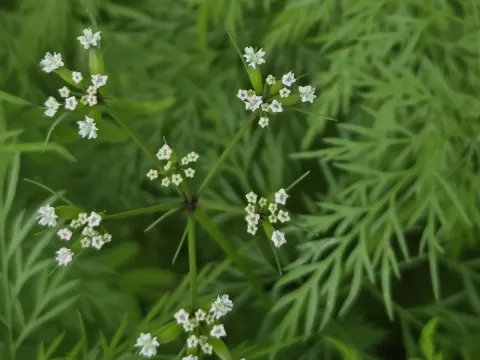
Trepocarpus is a genus of annual herbaceous plants belonging to the Apiaceae family. It is recognized in agricultural studies for its specific growth cycle and physiological requirements that necessitate careful planning for successful establishment.
What the section contains

Trepocarpus
The sowing process is typically carried out in spring when soil temperatures have stabilized. Seeds often require a period of stratification to improve germination rates, as they possess a natural dormancy mechanism common to many members of the Apiaceae family.
Sowing depth should be kept shallow, generally between 1 to 2 centimeters, to ensure the small seeds have sufficient energy to reach the surface. Consistent moisture is vital during the germination phase to prevent the seeds from drying out.
Optimal planting density is essential to allow for adequate airflow and to prevent competition for light and nutrients. Standard row spacing, typically around 30-45 centimeters, is often employed in field trials to facilitate maintenance.
Weed control during the early stages of development is crucial, as the seedlings of Trepocarpus are initially delicate and can be easily outcompeted by more aggressive weed species in the field.
This crop performs best in sunny to partially shaded environments. It exhibits a preference for temperate climates where it can receive consistent light, which is fundamental to its vegetative development and eventual maturity.
Trepocarpus requires fertile, well-drained soil with a near-neutral pH. Sandy loams or light soil textures are preferred, as they provide the necessary aeration for root health and prevent the waterlogging that often leads to plant death.
Water management is a cornerstone of successful cultivation. While the plant can tolerate short periods of moderate dryness, regular irrigation during peak growing seasons is necessary to maximize biomass production.
Fertilization should be handled with care, focusing on providing a balanced supply of nitrogen, phosphorus, and potassium. Over-fertilization, especially with nitrogen, can lead to excessive vegetative growth at the expense of plant stability.
Maintaining an optimal temperature range of 18 to 25 degrees Celsius helps ensure steady growth. Avoiding drastic changes in temperature is important to maintain the physiological integrity and stress resistance of the plant.
Trepocarpus is subject to various fungal infections, particularly those that thrive in high-humidity conditions. Powdery mildew is a frequent concern that requires proactive monitoring and, if necessary, the application of fungicides.
Root rots remain a primary threat in poorly drained soils or areas with excessive rainfall. Preventive measures, including proper field leveling and crop rotation, are the most effective strategies for managing these soil-borne pathogens.
Insect pests, including various aphids and true bugs, can cause significant damage by feeding on the tender tissues of the plant. These pests can also act as vectors for viral diseases, which can further impact crop vigor.
Integrated pest management strategies are recommended to keep damage below economic thresholds. This includes the regular scouting of fields and the selective use of pest control agents when pest population levels rise.
Early identification of signs of disease or pest infestation is vital for effective management. Maintaining field hygiene and removing infected plant material helps limit the spread of diseases across the agricultural site.
Harvesting Trepocarpus is typically timed based on the desired use of the vegetative mass. Monitoring the physiological stage of the plant is critical, as the chemical composition can change significantly as the plant nears its seed-setting phase.
Mechanical harvesting methods can be used if the crop is grown on a large enough scale, though careful handling is required to prevent damage to the delicate stems and leaves. Manual harvesting is often preferred for maintaining higher product quality.
Post-harvest handling should involve cooling and careful storage to maintain freshness. Since the plant tissues can be prone to wilting, rapid processing or immediate transport to storage facilities is highly recommended after collection.
The timing of the harvest is often determined by the specific requirements of the market or the intended industrial application. Producers must be familiar with the target quality indicators for their specific end product.
Cleaning and sorting the harvest immediately after collection ensures that only high-quality material is retained, effectively removing any field debris or weeds that might have been gathered during the harvesting process.