
Trinia hispida
Trinia hispida
Description
Growing requirements
Trinia hispida belongs to the Apiaceae family. It is a perennial herbaceous plant native to the dry steppe regions of Eurasia, thriving in harsh continental climates.
The plant is highly xerophytic, meaning it is perfectly adapted to environments with limited rainfall and high solar radiation. It typically grows on rocky or gravelly soils with excellent drainage.
Agronomic cultivation requires careful selection of sites that mimic natural habitats. Soil structure is critical; the plant cannot tolerate waterlogging, which often leads to root death.
Its life cycle involves a slow initial establishment phase. During the first growing season, the plant focuses on developing a deep taproot to secure water access for subsequent years.
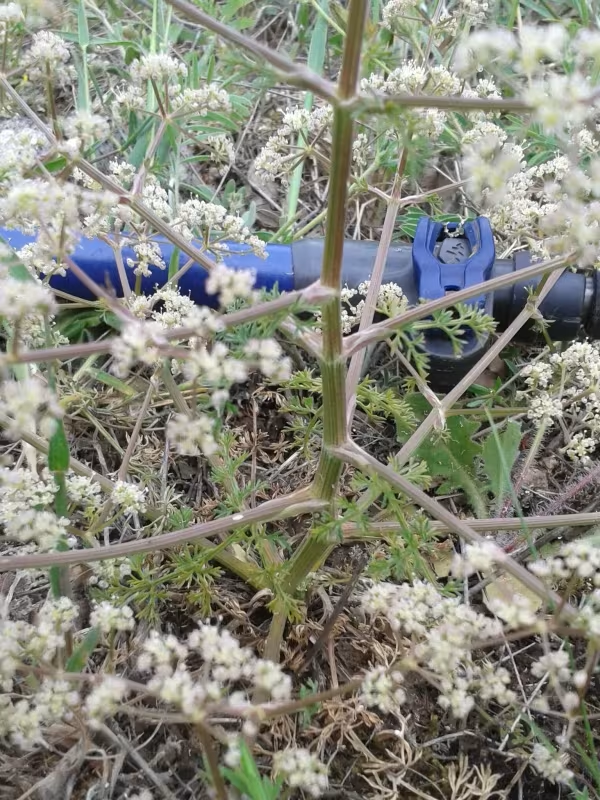
Botanically, it features finely dissected foliage and characteristic umbel inflorescences. The plant’s architectural structure provides structural stability in open, windy areas.
Main diseases and pests
The primary threats include fungal pathogens such as powdery mildew, which can spread rapidly under high humidity or poor ventilation conditions.
Root rot represents a significant danger, especially if the soil is not sufficiently aerated or if the drainage system fails during heavy rainfall events.
Insect pests, particularly aphids and root-feeding larvae, can cause stress to the plant and decrease the vigor of the overall crop population.
Integrated pest management, including crop rotation and the removal of alternative host weeds, is recommended to keep pest populations at manageable levels.
Maintaining a weed-free field is essential during the early development stages, as the plant is a poor competitor when young and requires consistent maintenance.