
Turgenia
Turgenia
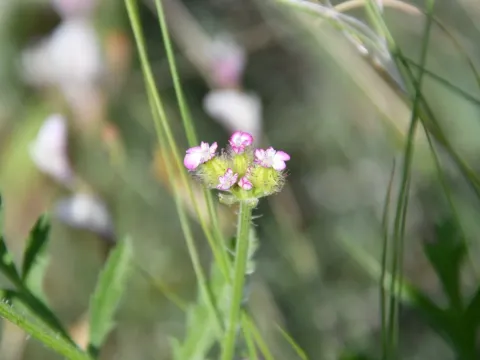
Turgenia (Turgenia latifolia) is an annual herbaceous plant belonging to the Apiaceae family. In agriculture, it is typically recognized as a persistent weed that affects cereal crop yields due to its ability to compete for resources.
What the section contains

Turgenia
The life cycle initiates in early spring when soil temperatures reach 5-8 degrees Celsius. Germination usually occurs between March and May, aligning with the growth stages of winter and early spring grain crops.
The plant propagates solely through seeds, which exhibit high dormancy and longevity. These seeds can remain viable in the soil for several years, creating a persistent seed bank that requires long-term management.
Pre-sowing tillage is a critical practice for managing Turgenia. By stimulating early germination before the main crop is planted, farmers can mechanically destroy the seedlings, significantly reducing the pressure on the future crop.
Because the plant competes vigorously for nutrients and moisture during the early vegetative phase, implementing timely chemical or mechanical control methods is essential to protect the potential yield of the main crop.
Turgenia thrives in open, sunny locations with fertile, well-drained soils. It shows a preference for loamy or calcareous soils with a neutral to slightly alkaline pH, which are common in many agricultural regions.
While the plant exhibits moderate drought tolerance, it requires consistent moisture during the stem elongation phase to reach its full vegetative potential. Waterlogged soils, however, can impede its development.
The species is highly light-demanding. In dense, well-managed crop stands, the shading effect created by the main crop canopy can significantly limit the growth and reproductive capacity of Turgenia plants.
Climatic requirements involve moderate heat accumulation during the spring and summer. The plant is well-adapted to steppe and forest-steppe environments where sunlight is abundant throughout the growing season.
A porous soil structure is beneficial for the development of its primary taproot. Compacted or heavy clay soils are less conducive to the plant's growth, limiting its ability to establish strong root systems.
Turgenia is susceptible to various fungal diseases common to the Apiaceae family, such as powdery mildew, which thrives under high humidity and poor air circulation. This infection can reduce the plant's overall vigor.
Rust infections can also occur, impacting the leaves and stems. Such diseases inhibit photosynthetic activity, ultimately reducing the seed production potential of the weed population within the field.
Pests, including aphids and certain leaf beetles, may feed on the foliage. While these rarely destroy the plant entirely, they weaken it, making it more susceptible to environmental stressors and competition from crops.
Chemical control is the most effective approach for large-scale management. Selective herbicides containing sulfonylureas are commonly used in cereal production to control Turgenia without harming the grain crop.
Long-term prevention relies on sound crop rotation practices. Alternating cereal crops with row crops or perennial legumes helps disrupt the growth cycle of the weed, significantly depleting the seed bank over time.