
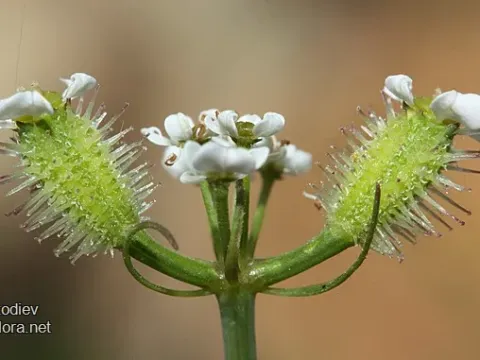
Turgeniopsis
Turgeniopsis
Turgeniopsis is a genus belonging to the Apiaceae family, characterized by its specific morphological traits. While often found in natural habitats, it is recognized in agricultural contexts for its ability to persist in diverse environmental conditions.
What the section contains
Turgeniopsis
The life cycle begins with seed germination, typically occurring during the cool spring period. Seeds require specific moisture levels and temperatures to break dormancy and initiate the development of the primary root system.
Sowing in a controlled environment requires shallow placement, ensuring the seeds are covered by just enough soil to maintain hydration while still allowing for light penetration to trigger germination.
The plant exhibits rapid growth after the initial establishment phase, utilizing its rosette leaf structure to maximize photosynthetic activity. Proper timing is crucial, as late sowing can lead to competition with faster-growing species.
Agronomic management focuses on preventing unwanted spread, as the plant is a prolific producer of seeds. Effective control requires precise mechanical intervention during the early growth stages before the reproductive phase begins.
Turgeniopsis thrives in well-lit areas, demonstrating a strong preference for open habitats. It is not shade-tolerant and will struggle to survive in areas where high-canopy plants restrict sunlight access.
Soil requirements involve well-drained, fertile loamy soils. The plant is sensitive to waterlogging, which can cause significant damage to the root system and restrict nutrient uptake efficiency.
Temperature plays a vital role in the plant's development, with an optimal range between 15 and 25 degrees Celsius. It shows a moderate tolerance for cool spring mornings but requires consistent heat to reach full maturity.
Regarding soil pH, the plant prefers neutral to slightly alkaline conditions. In areas with highly acidic soils, growth is typically stunted, and the plant may show signs of nutrient deficiency, particularly in phosphorus and nitrogen.
Efficient growth is maintained through balanced fertilization and adequate soil aeration. Regular cultivation practices help to manage soil structure, providing the root system with sufficient oxygen for optimal health.
Turgeniopsis is susceptible to several pathogens common to the Apiaceae family, including powdery mildew. This fungal infection can be detrimental, significantly reducing the plant's vigor and photosynthetic capacity.
Insect pests, such as aphids and various bugs, pose a persistent threat by feeding on the sap of young stems. This feeding behavior can lead to distorted growth and weaken the plant against secondary infections.
Root rots are common in compacted or poorly drained soils. Fungi, particularly those in the Phytophthora genus, can attack the roots, causing plant decline and premature death during the growing season.
Management of these threats involves a combination of cultural practices, such as maintaining good soil health and proper irrigation, and the use of targeted chemical treatments when pest populations reach critical levels.
Preventive strategies should prioritize the use of clean seed stocks and crop rotation to avoid the buildup of pathogens in the soil. Deep tillage remains an effective method for reducing the presence of both seeds and soil-borne pathogens.