
Trochiscanthes
Trochiscanthes
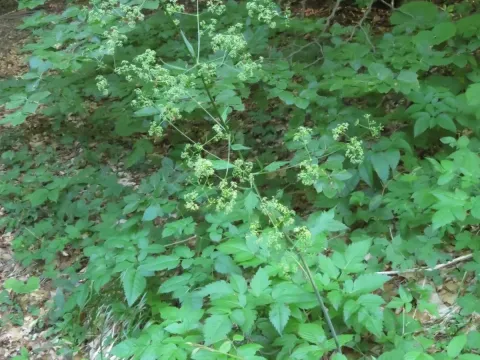
Trochiscanthes is a genus of perennial herbaceous plants belonging to the Apiaceae family. These plants are characterized by specific morphology, including compound leaves and umbel inflorescences, typical of their taxonomic classification.
What the section contains

Trochiscanthes
Geographically, Trochiscanthes is native to the mountain regions of Europe. It thrives in moist, shaded environments, such as forest edges or areas near water bodies, where humidity remains high throughout the growing season.
Soil requirements for Trochiscanthes include high humus content, good structural aeration, and a consistent level of moisture. The plant does not tolerate waterlogging, so soil drainage must be efficient to maintain healthy root development.
Regarding climate, the plant is well-adapted to mountain environments with cool temperatures and high rainfall. It shows significant cold tolerance, making it suitable for regions with harsh winter conditions if planted in protected areas.
Agrotechnical management involves imitating natural forest conditions. Gardeners and growers should focus on maintaining constant soil moisture and providing partial shade to prevent heat stress during the hottest summer months.
Like many members of the Apiaceae family, Trochiscanthes is susceptible to root rot and fungal wilt, particularly when soil drainage is poor or when plant density is too high, leading to reduced air circulation.
Pests such as aphids and leaf miners are common threats that target the foliage. These pests can significantly stunt the plant's growth if not monitored and treated during the early stages of infestation.
Gastropods, including slugs and snails, are major pests for the plant due to its preference for damp environments. These organisms can consume significant portions of the foliage if left unchecked.
Effective management against diseases involves proper spacing between plants and regular pruning of dead or decaying tissue. Maintaining a clean cultivation area is essential to prevent the buildup of pathogens.
Integrative pest management strategies should focus on using biological controls or mild organic treatments to ensure the health of the plants while protecting the surrounding ecosystem from unnecessary chemical runoff.