
Trinia kitaibelii
Trinia kitaibelii
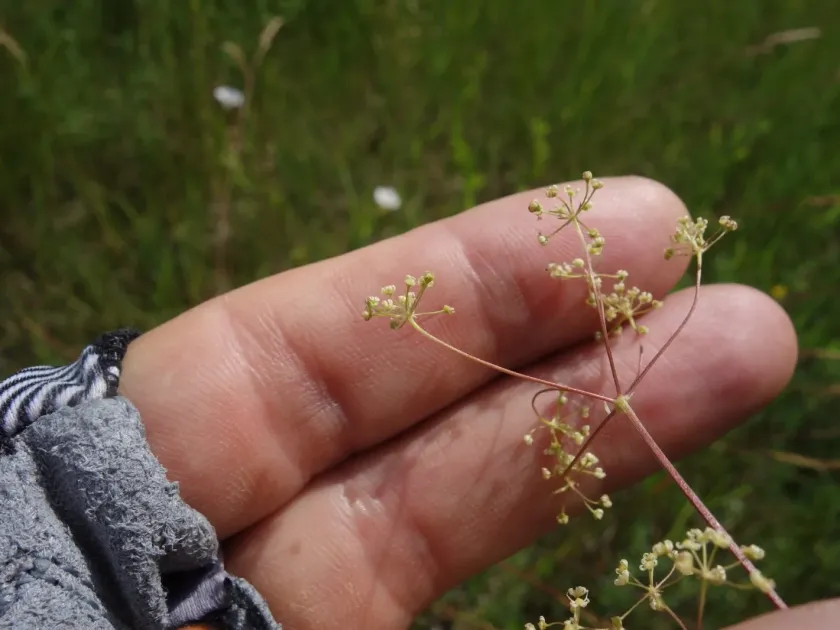
Description
Growing requirements
Trinia kitaibelii is a perennial herbaceous plant belonging to the Apiaceae (Umbelliferae) family. This species is recognized for its unique adaptation to xeric environments, distinguishing it from most moisture-loving cultivated relatives.
The natural habitat of this plant encompasses the steppe and rocky regions of Central and Southeastern Europe. It typically thrives on limestone slopes and open areas where soil nutrient availability is low, but drainage is excellent.
From a botanical perspective, the plant exhibits delicate, finely divided foliage and typical umbel-shaped inflorescences. Its deep-reaching root system allows it to survive in environments characterized by long periods of summer drought and intense sun exposure.
Cultivation requirements for this species include maintaining high light intensity and ensuring that the soil medium does not retain excessive moisture. The plant is highly sensitive to soil compaction and prefers alkaline substrate conditions.
Economic and research utility is focused primarily on conservation and biodiversity studies. As a hardy steppe species, it represents a genetic pool that could potentially contribute to breeding efforts for drought-resistant crops within the Apiaceae family.