
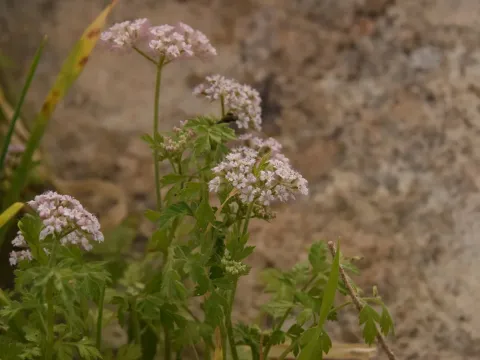
Torilis trichosperma
Torilis trichosperma
Torilis trichosperma is a member of the Apiaceae family. It is a herbaceous plant characterized by its resilience and adaptation to various environmental conditions, primarily occurring in specific Mediterranean and temperate habitats.
What the section contains
Torilis trichosperma
The optimal sowing time occurs in early spring, once the soil temperatures stabilize at 8–10°C. Ensuring adequate moisture during this phase is critical for successful germination.
Standard agronomic practices suggest row seeding with spacing between 15 and 20 cm. This configuration facilitates mechanical cultivation and ensures optimal canopy development for the crop.
Seeds should be planted at a shallow depth of 1–2 cm. Pressing the soil after sowing improves capillary action, which is essential for uniform emergence in drier soil conditions.
During the early establishment phase, weed control is imperative as the plant develops its basal rosette. Mechanical weeding between rows helps maintain soil aeration and promotes rapid growth.
This crop performs best in well-drained, fertile soils with a neutral pH. It exhibits good tolerance for light loams and sandy soils, provided there is adequate nutrient availability.
Sunlight is a key requirement for Torilis trichosperma; it thrives in open areas with high solar exposure. Avoid planting in shaded regions to prevent reduced vigor and quality.
The species is moderately drought-tolerant; however, maintaining consistent moisture levels during the peak vegetative stage significantly boosts biomass production.
Balanced fertilization, particularly the inclusion of phosphorus and potassium, encourages strong root development and structural stability of the flower stalks.
Proper soil management, including regular loosening, helps prevent surface crusting and ensures that air reaches the root zone, promoting overall plant health.
Powdery mildew represents the primary fungal threat, particularly in humid climates. Managing plant density can significantly reduce the incidence of this disease by improving airflow.
Aphids are the most common pests that target the foliage and flower heads, which can negatively impact the plant's nutrient accumulation process.
Integrated pest management (IPM) strategies, including monitoring and biological control, are recommended to maintain crop viability without excessive chemical reliance.
When chemical intervention is necessary, timing is crucial to minimize the impact on beneficial insects and pollinators that frequently visit the Apiaceae flowers.
Preventative cultural practices, such as removing surrounding weeds and practicing systematic crop rotation, are essential for long-term health and disease prevention.