
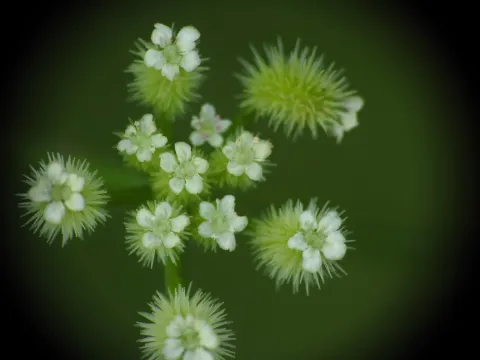
Torilis leptophylla
Torilis leptophylla
Torilis leptophylla is an annual herbaceous plant belonging to the Apiaceae family. It typically germinates in early spring, synchronized with rising soil temperatures.
What the section contains
Torilis leptophylla
The optimal germination period occurs between March and May, depending on the specific climatic zone and available soil moisture levels.
The plant demonstrates rapid early-season growth, allowing it to compete effectively with other vegetation in agricultural settings.
Its lifecycle is characterized by a quick transition from the vegetative stage to flowering, often completing seed set by mid-summer.
Seed bank persistence is a notable trait, as the species can remain dormant in the soil for several seasons under favorable conditions.
The species prefers sun-exposed environments and exhibits high adaptability to various soil types, ranging from sandy textures to clay-loams.
It thrives in neutral to slightly alkaline soil conditions and is frequently found in disturbed landscapes or agricultural field edges.
Torilis leptophylla is relatively drought-tolerant, which contributes to its presence in Mediterranean-climate regions with hot, dry summers.
While it is not demanding regarding soil nutrient levels, it responds vigorously to nitrogen fertilization, which can increase its competitive capacity.
The plant typically avoids waterlogged conditions, preferring well-drained habitats for optimal development and root health.
As a member of the Apiaceae family, it is susceptible to various fungal pathogens, including powdery mildew, during periods of high humidity.
Sucking insects, such as aphids, frequently target the plant, feeding on sap from young shoots and inflorescences.
Mechanical control, such as soil cultivation or mowing, is highly effective if implemented before the plant reaches the seed-setting stage.
Chemical intervention via herbicides may be used, though timing is critical for ensuring maximum effectiveness against the species.
Prevention of spread is the most effective management strategy, focusing on cleaning farm equipment to reduce seed dispersal between fields.