
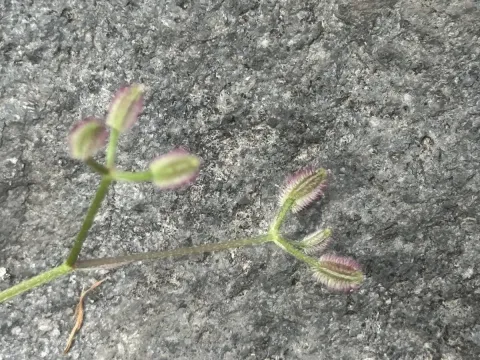
Torilis scabra
Torilis scabra
Torilis scabra is an annual herbaceous plant belonging to the Apiaceae family. In an agricultural context, it is typically categorized as a weed that requires monitoring due to its competitive nature in field settings.
What the section contains
Torilis scabra
The life cycle begins in early spring when seeds germinate in response to warming soils, generally requiring temperatures of at least 8–10 degrees Celsius for optimal emergence.
Growth is characterized by rapid vegetative development, allowing the plant to establish itself quickly in disturbed soil environments such as cultivated fields or edges of agricultural tracks.
The plant demonstrates high adaptability to various light conditions, although it performs best in full sunlight, often outcompeting slower-growing crop seedlings in the early stages.
Effective management begins with pre-sowing cultivation to destroy early spring cohorts of seedlings before they can impact primary crop yield.
This species thrives in well-drained, fertile soils with a neutral pH level. It is particularly adept at colonizing sandy loam and loamy soil types commonly found in agricultural landscapes.
Optimal moisture is required during the vegetative stage, though the plant is relatively drought-tolerant once the taproot system is fully established.
High nitrogen availability in the soil promotes vigorous biomass production, which increases the plant's competitive pressure against cereals and legumes.
Temperature range between 18 and 25 degrees Celsius is considered optimal for rapid canopy development, whereas extreme heat may trigger premature bolting.
Proper field maintenance and avoiding soil compaction help manage the plant's footprint, as it prefers loose, aeration-friendly soil substrates.
Torilis scabra acts as an alternative host for various pathogens that affect commercial Umbelliferae crops, including carrot and celery viruses or fungal leaf spots.
Pest pressure is primarily driven by aphid colonies that migrate from wild hosts to commercial crops during the early growing season, causing significant stress to young seedlings.
Root rot fungi represent a serious threat if the soil remains waterlogged for extended periods, potentially causing plant death but also creating opportunities for secondary soil pathogens.
Chemical control is generally achieved through the application of broad-spectrum or selective herbicides during the early rosette stage of development.
Integrated pest management strategies focusing on early mechanical removal of rosettes significantly reduce the need for chemical intervention later in the season.
The seeds of Torilis scabra are equipped with hooked bristles, allowing for efficient dispersal via machinery, human clothing, and livestock, which facilitates the rapid spread across farm borders.
When considered for harvesting as biomass, the timing must be strictly limited to the pre-flowering stage to avoid the risk of spreading viable seeds through contaminated materials.
In terms of weed control, mowing should be prioritized before the onset of fruit set to ensure the seed bank in the soil is not replenished for the following season.
Crop residue management involves ensuring that any mechanically removed plant material is properly composted or destroyed to prevent the maturation of seeds.
Chemical desiccation is largely ineffective once the fruits have hardened, making timely mechanical intervention the most sustainable practice for field hygiene.