
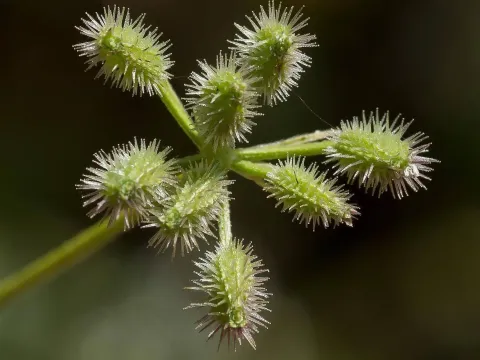
Torilis elongata
Torilis elongata
Torilis elongata is an annual herbaceous plant belonging to the Apiaceae family. It typically originates from regions with temperate climates, where it occupies disturbed habitats, roadsides, and open fields with sufficient solar exposure.
What the section contains
Torilis elongata
The botanical structure of the plant includes a distinct taproot and a branching stem covered with rigid hairs. Its leaves are pinnately divided, and it produces compound umbels containing numerous tiny, whitish flowers that bloom during the late spring and summer months.
In terms of soil requirements, the species prefers well-drained, fertile substrates that are not prone to waterlogging. Neutral to slightly alkaline soil conditions are ideal for achieving vigorous vegetative growth and maximizing seed production.
Climate adaptability is a key characteristic of Torilis elongata, as it thrives in environments with warm days and mild nights. However, it requires a consistent, albeit moderate, supply of moisture during its early development stages to establish a strong root system.
Agricultural management is relatively straightforward, focusing on soil preparation that ensures aeration and moisture retention. Proper spacing is essential to prevent overcrowding, as this plant requires sufficient airflow to maintain its overall health throughout the season.
The primary diseases affecting this crop include powdery mildew and various root rot fungi, which typically occur when soil drainage is poor or humidity levels remain excessively high for prolonged periods.
Insect pests such as aphids and umbelliferous webworms can pose a significant threat to the vegetative parts of the plant, potentially damaging the tender tissues and reducing the crop's photosynthetic capacity.
Effective pest control strategies often involve crop rotation to disrupt the life cycles of soil-borne pathogens and specific insect larvae that overwinter in plant debris.
Farmers are advised to implement regular field inspections to detect early signs of infestation, as timely intervention with localized treatments can prevent widespread crop failure.
The use of balanced fertilization practices helps the plant maintain natural resistance to opportunistic infections, ensuring higher resilience throughout the entire vegetative cycle.