
Spermolepis divaricata
Spermolepis divaricata
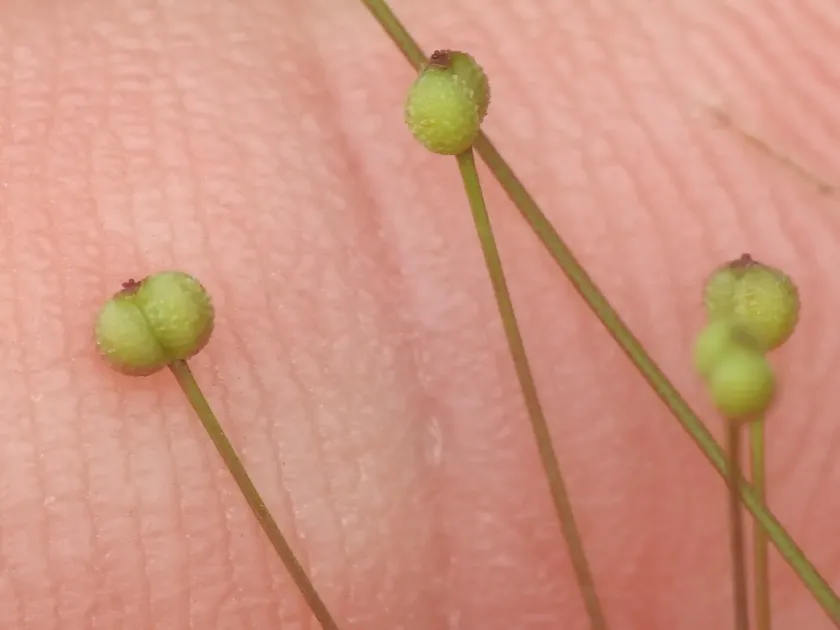
Description
Growing requirements
Spermolepis divaricata, commonly known as roughfruit scaleseed, belongs to the Apiaceae family. It is an annual herbaceous plant native to sandy habitats in North America, showing remarkable resilience in harsh, arid environmental conditions.
Botanically, the plant is distinguished by its slender, much-branched stem and finely divided, delicate leaves. These characteristics allow the plant to thrive in nutrient-poor, sandy soils where competition from larger, more robust vegetation is minimal.
The species requires full sun exposure to flourish. It is highly sensitive to soil compaction and waterlogging, making well-drained, porous soils essential for its successful development. Its deep taproot is an adaptation for scavenging moisture in dry climates.
Cultivation practices must account for its slow initial growth rate. It is not traditionally farmed as a high-yield commodity but is studied for its ecological role in stabilising dry landscapes and its physiological response to drought stress.
Agricultural management of this species involves careful monitoring of seed dormancy cycles. The plant is adapted to natural disturbances, so mimicking these conditions can sometimes improve germination rates in controlled settings.
Main diseases and pests
Fungal diseases related to excessive moisture represent the primary biological threat to this species. Root rot and damping-off can devastate seedling populations if the growing environment lacks proper aeration and drainage.
Insect pests, particularly aphids and other sap-sucking insects, often target the umbel structures. Infestations during the flowering stage can significantly reduce the viability of seed production, which is crucial for the plant's life cycle.
Weed competition poses a major challenge for Spermolepis divaricata. Due to its modest size and slow early-season growth, the plant is easily outcompeted by aggressive grasses and broader-leaved weeds in cultivated plots.
Crop rotation is a standard agronomic practice to mitigate soil-borne pathogens. Since the plant belongs to the Apiaceae family, it is susceptible to diseases that affect other related crops like carrots or parsley, requiring diligent field sanitation.
Climatic stressors, especially sudden spring frost, can harm young plants. Protective measures such as mulching or strategic timing of sowings are recommended to ensure the establishment of a healthy crop stand throughout the vegetative phase.