
Spermolepis inermis
Spermolepis inermis
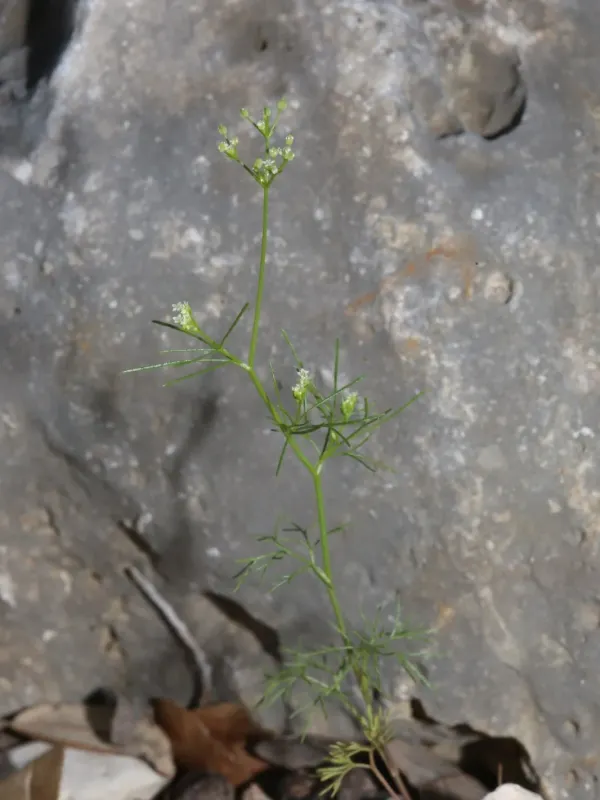
Description
Sowing dates
Spermolepis inermis is a member of the Apiaceae family, characterized by its adaptation to specific ecological environments. As an agricultural study subject, its cultivation focuses on understanding its role in biodiversity and potential use in restoration projects.
Sowing should be performed in well-prepared soil after the risk of frost has completely passed. The seeds require warmth and consistent moisture to break dormancy and initiate the germination process, which is critical for stand establishment.
The seeds are relatively small and should be sown at a shallow depth. Proper seed-to-soil contact is essential, and covering them with a very thin layer of fine soil or vermiculite can help retain moisture during the early stages of growth.
In experimental plots, row sowing is preferred to facilitate weed management and ensure uniform access to nutrients and light. This method allows for better airflow, which is crucial for reducing the risk of fungal diseases.
Monitoring the germination progress is vital. Under optimal conditions, seedlings emerge within a few weeks, provided the temperature remains stable and the surface soil does not crust over significantly.
Growing requirements
This species thrives in well-drained, sandy, or loamy soil types. It is highly sensitive to waterlogged conditions, which can lead to rapid root rot, so ensuring excellent drainage in the planting area is paramount.
Spermolepis inermis requires full sun exposure to maintain its structural integrity. Insufficient light results in elongated, weak stems that are prone to lodging, which significantly reduces the quality of the crop.
The ideal temperature range for active growth is between 20°C and 28°C. While the plant shows some tolerance to dry periods, consistent moisture during the vegetative phase significantly improves overall biomass production.
Soil pH should ideally be neutral or slightly acidic. Nutrient requirements are relatively modest, but a balanced application of minerals can support the development of vigorous foliage and reproductive structures.
The plant adapts well to open areas where competition for resources can be managed. Providing enough spacing between individuals is essential to minimize intraspecific competition and encourage optimal canopy development.
Main diseases and pests
Fungal pathogens represent the most significant threat to the crop, especially when humidity levels remain high for extended periods. Preventive measures, such as proper spacing and fungicide application, are necessary.
Pests like aphids are common threats that feed on the soft tissues of the plant. Regular scouting is required to detect early infestations before they cause significant physiological stress to the crop.
Weed pressure is a major challenge during the establishment phase. Because the plant is relatively slow-growing initially, it can easily be outcompeted by aggressive weeds, requiring diligent mechanical weeding.
Root diseases resulting from over-irrigation are a constant concern. Managing irrigation systems to provide deep but infrequent watering, rather than surface dampness, can mitigate these health risks.
Severe weather events, particularly heavy rains, can lead to physical damage. Ensuring the planting site is protected from strong winds or utilizing light staking for crops can prevent stem breakage and secondary decay.