
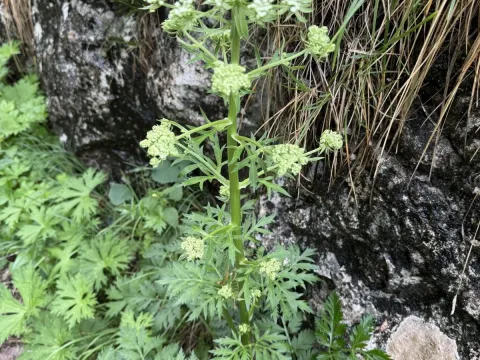
Pleurospermum
Pleurospermum
Pleurospermum is a genus of perennial herbaceous plants belonging to the Apiaceae family. Native to the mountainous regions of Asia, these plants are well-adapted to high-altitude meadow ecosystems and damp, nutrient-rich alpine soils.
What the section contains


Pleurospermum
The botanical structure of the plant is defined by a robust taproot system and characteristic pinnately divided leaves. Its inflorescences are typical for the family, forming compound umbels that bloom during the summer months, providing a unique appearance to the field.
Successful cultivation requires soil that is rich in organic matter and maintains consistent moisture levels. Good drainage is essential, as the roots are sensitive to waterlogging, which often occurs in heavy, clay-based soil types.
Climate adaptability is one of the key strengths of Pleurospermum, as it is naturally suited to cool environments with distinct seasonal changes. It displays high resistance to frost, ensuring survival during cold winter periods in mountainous climates.
Economically, this culture is highly valued in medicinal applications due to the essential oils and specific phytochemical compounds present in its tissues. It serves as a specialized crop for pharmaceutical research and traditional herbal medicine production.
Pleurospermum is susceptible to several fungal diseases, primarily powdery mildew and various leaf spot pathogens that thrive in high-humidity microclimates during the growing season.
Root decay poses a significant risk to the plant's health. This condition is usually exacerbated by improper watering practices or poorly ventilated soil conditions, necessitating careful moisture management.
In terms of insect pests, aphids specific to the Apiaceae family represent a persistent challenge. They target the tender floral stalks and developing seeds, which can significantly reduce the potential yield.
Integrated pest management strategies are recommended, focusing on maintaining plant spacing to promote airflow and implementing biological controls when infestations are first detected.
Regular monitoring of the field is crucial during the flowering stage, as prompt intervention is the most effective way to prevent the rapid spread of diseases or pest outbreaks within the crop.