
Pleurospermum uralense
Pleurospermum uralense
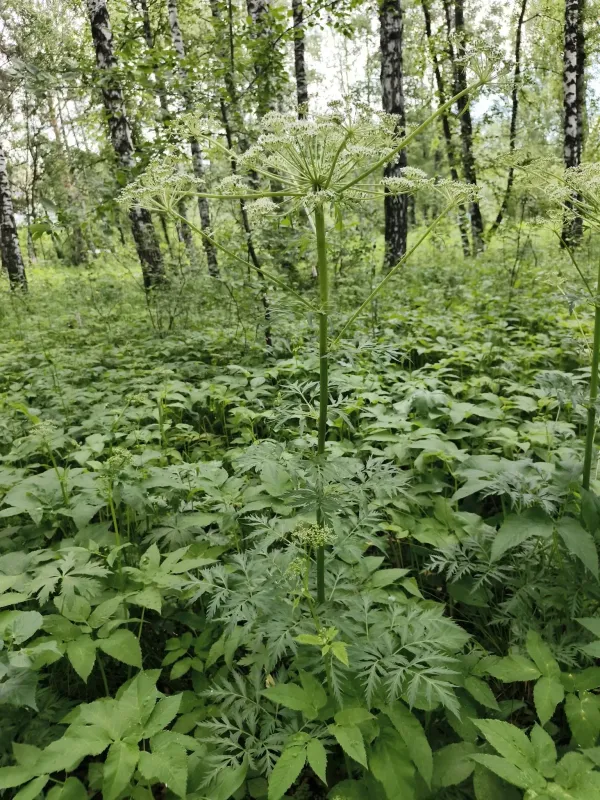
Description
Growing requirements
Pleurospermum uralense is a perennial herbaceous plant belonging to the Apiaceae family. It is recognized for its robust growth in temperate climates and is valued for its pharmacological potential.
The plant thrives in loamy, well-drained soils rich in organic matter. It prefers sites with neutral to slightly acidic pH levels to ensure optimal nutrient uptake and root development.
Regarding climate, this crop is cold-hardy, well-adapted to regions with severe winters. It requires consistent moisture levels throughout the growing season but is intolerant of waterlogged, poorly drained environments.
Sunlight exposure is essential for the crop's vigor. While it can withstand partial shade, full exposure to sunlight during peak development stages significantly increases the yield of biomass.
Agronomic management involves meticulous soil preparation, including deep plowing and balanced fertilization with phosphorus and potassium to support the development of a strong root system over multiple years.
Main diseases and pests
The primary health threats to Pleurospermum uralense include fungal pathogens such as powdery mildew and root rot, which are often triggered by excessive humidity and poor air circulation.
Pest pressure often originates from specialized insects like the parsnip moth or other umbrella-family pests that target the reproductive organs and flower umbels of the plants.
Crop rotation is a vital management strategy. Avoiding continuous planting in the same area for at least four to five years helps break the life cycle of soil-borne pathogens and minimizes infestation risks.
Integrated pest management, focusing on early detection and biological control methods, is preferred to preserve the medicinal quality and chemical integrity of the harvested plant material.
Weed management during the initial growth phase is critical, as the species exhibits a slow establishment rate and may be easily suppressed by fast-growing aggressive weeds in the first year.