
Pimpinella villosa
Pimpinella villosa
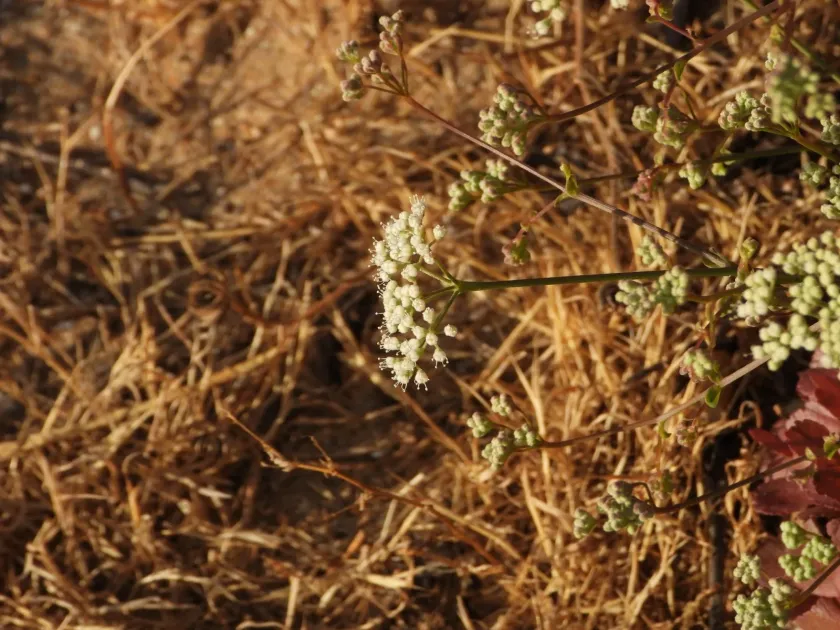
Description
Sowing dates
Pimpinella villosa is a perennial herbaceous plant belonging to the Apiaceae family. It is native to the Iberian Peninsula, where it typically thrives in rocky terrains and open meadows.
The sowing period occurs in early spring as soon as soil temperatures reach a consistent 8–10 degrees Celsius. In milder climates, late autumn sowing is also a viable option to encourage early germination.
Due to the specific dormancy characteristics of its seeds, stratification is often required for optimal germination rates. Seeds should be sown at a depth of 1 to 2 centimeters in well-drained soil.
After seeding, it is essential to maintain soil moisture through gentle irrigation. Once the seedlings develop several true leaves, thinning is recommended to ensure each plant has enough space to grow.
Adequate spacing, usually about 20–25 centimeters between individual plants, helps promote air circulation and reduces the risk of fungal diseases within the crop canopy.
Growing requirements
Pimpinella villosa is a sun-loving species that thrives best in full sun conditions. High solar exposure is critical for the development of essential oils, which define the plant's value.
The ideal soil for this crop is light, fertile, and well-drained. It prefers a neutral to slightly alkaline pH level and does not tolerate waterlogged conditions, which lead to root decay.
This plant is naturally adapted to Mediterranean climates and shows strong drought resistance once established. However, regular watering during the peak growth season will maximize yields.
It prefers moderate temperatures between 18 and 25 degrees Celsius for active growth. The plant is hardy enough to withstand occasional frost, making it suitable for diverse growing environments.
Supplemental fertilization using a balanced NPK ratio (with a focus on potassium) can enhance the plant's structural integrity and its ability to produce high-quality aromatic flowers.
Main diseases and pests
Common issues for Pimpinella villosa include powdery mildew and gray mold, which are most prevalent in humid conditions with poor airflow between plants.
Pests such as aphids and specialized larvae of umbellifer-feeding insects can cause significant damage to leaves and inflorescences if left untreated during the early development stages.
Integrated pest management strategies, including the introduction of natural predators and the use of bio-pesticides, are highly recommended to protect the crop without compromising quality.
Proper field maintenance, including the systematic removal of weeds and debris, is essential for reducing the populations of pathogens and pests in the crop area.
Regular monitoring of the field is necessary to catch any potential outbreaks early and prevent the rapid spread of infections throughout the cultivation plot.
Harvesting
Harvesting is typically conducted during the full flowering phase when the concentration of essential oils is at its peak. This ensures the best quality for aromatic or medicinal use.
The aerial parts are cut during the mid-morning hours, once the dew has evaporated, to ensure the harvested material is dry and resistant to spoilage during the initial storage stage.
The material should be dried in a well-ventilated, shaded area. Rapid drying away from direct sunlight is crucial to preserve the plant's potent scent and delicate color profiles.
For seed production, the plants are allowed to mature until the seeds turn brown. The seeds are then threshed, winnowed to remove plant debris, and dried completely before storage.
Final storage should be in airtight, light-protected containers kept in a cool, dry place to maintain the product's integrity and long-term viability for market or further use.