
Pimpinella tripartita
Pimpinella tripartita
Description
Growing requirements
Pimpinella tripartita is a perennial herbaceous plant belonging to the Apiaceae family. It originates primarily from the mountainous regions of the Caucasus, where it has adapted to specific ecological conditions.
This species prefers well-drained, fertile soil with a neutral pH. While it is quite versatile, it thrives best in loamy soils that receive adequate sunlight, making it an excellent candidate for semi-mountainous agricultural cultivation.
Regarding climate, the plant is hardy and adapted to variable seasonal temperatures. It requires consistent moisture during the initial growth stages but demands good aeration of the soil to prevent root rot during wet seasons.
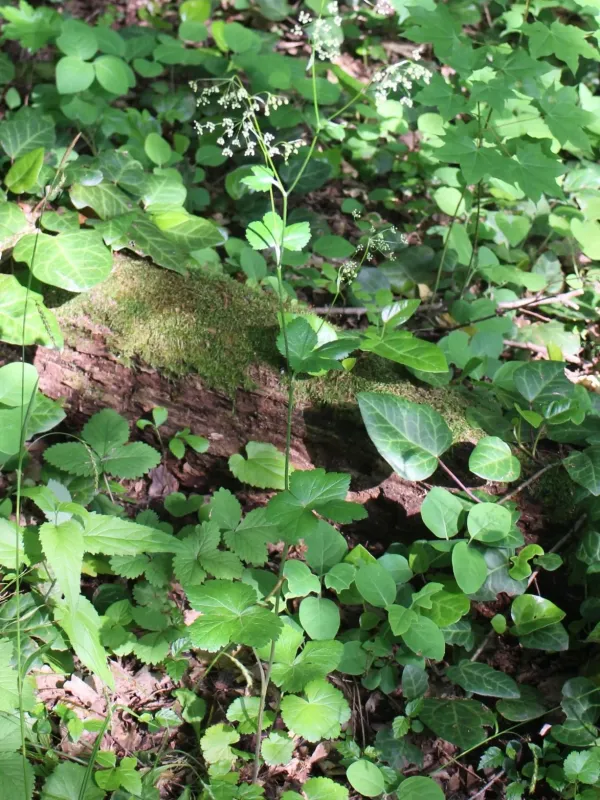
The botanical structure is marked by its distinct trifoliate leaves and complex umbellate inflorescences, which are typical for the Pimpinella genus. The root system is robust, providing stability and resilience in its natural habitat.
In agriculture, the plant is primarily harvested for its essential oil properties, culinary applications as a spice, and potential use in the pharmaceutical sector for its various secondary metabolites.
Main diseases and pests
Like many Apiaceae, this crop is susceptible to fungal infections, particularly powdery mildew, which can significantly damage the foliage if humidity levels are not properly controlled in the field.
Pests such as aphids are a primary concern, as they colonize the tender stems and flowering parts, causing deformation and reducing the overall quality of the harvested essential oil components.
Plant bugs may also cause damage by piercing the plant tissue, which leads to necrotic spotting and decreased physiological vitality of the crop throughout the growing season.
Effective management includes maintaining proper spacing between rows to ensure airflow and performing regular weeding to prevent the buildup of pest populations in nearby vegetation.
Integrated pest management strategies should prioritize mechanical and biological interventions to protect the purity of the harvested raw materials, especially when destined for the food or pharmaceutical markets.