
Pleurospermum austriacum
Pleurospermum austriacum
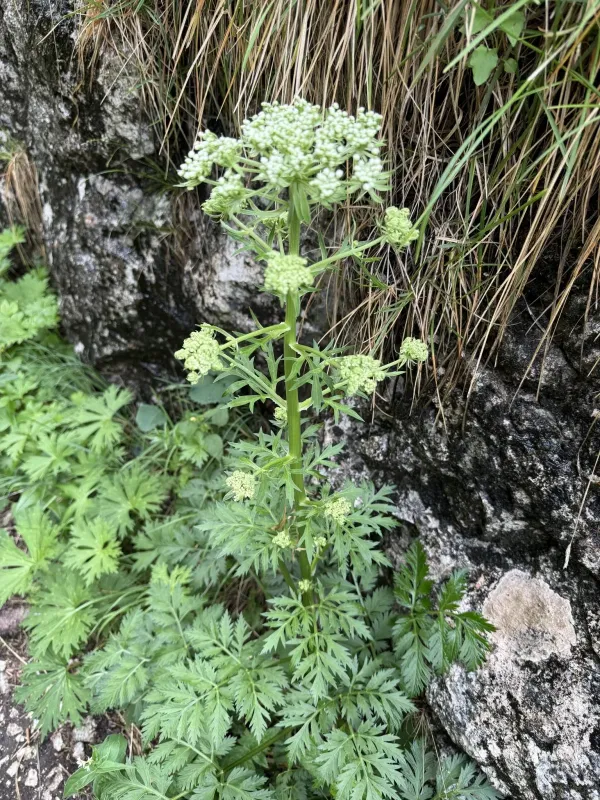
Description
Sowing dates
Pleurospermum austriacum, a member of the Apiaceae family, is a hardy perennial herb that requires careful preparation for successful establishment. The most effective planting method involves autumn sowing, which allows the seeds to undergo natural stratification during the winter, breaking dormancy effectively.
If spring sowing is chosen, seeds must undergo cold stratification in a refrigerator for at least 6-8 weeks before being placed in the soil. Seeds should be sown at a depth of approximately 1-2 cm, with rows spaced 45-60 cm apart to ensure adequate airflow and space for root development.
The ideal seedbed is a light, well-draining soil rich in organic matter. During the first year, the plant focuses exclusively on root system development and forming a basal rosette, meaning weed control is essential for young plants.
Germination is typically slow and can be irregular. Providing consistent moisture during the first month is critical, as the seedlings are extremely fragile and sensitive to dehydration in their early growth stages.
Spacing requirements are significant because the plant develops a broad, lush foliage mass by the second year. Adequate spacing prevents the overcrowding that often leads to increased humidity and disease pressure within the crop stand.
Growing requirements
This species thrives in cool, temperate climates, reflecting its origin in mountainous European regions. It exhibits high frost tolerance, making it an excellent candidate for regions where winters are harsh and growing seasons are relatively short.
The plant prefers fertile, loamy soils with a neutral to slightly alkaline pH level. While it can adapt to various soil types, it absolutely requires excellent drainage; waterlogged soils are the primary cause of root rot in this species.
Full sun is generally preferred, although partial shade is beneficial in regions with intense summer heat to prevent foliage scorching. The plant maintains the highest levels of biological activity when exposed to a consistent, balanced light cycle.
Nutrient requirements are moderate, but the plant benefits from compost application during the early spring. Avoid heavy synthetic nitrogen applications, as they encourage excessive vegetative growth at the expense of root density and overall plant vigor.
Regular cultivation between rows is necessary to break soil crusting, especially after heavy rains. This practice improves soil aeration and encourages deeper root penetration, which is vital for the plant's long-term survival as a perennial crop.
Main diseases and pests
Fungal diseases such as powdery mildew are the most common threats to the foliage, particularly in humid conditions. Maintaining proper spacing and removing dead leaf material helps minimize the microclimate conducive to these pathogens.
Root rot, often caused by Pythium or Phytophthora species, is the most serious threat to crop health. Strict water management and avoiding planting in low-lying areas that collect standing water are the best preventive measures.
Pests like aphids and certain species of umbrella-leaf beetles can target the developing flower buds. Integrated pest management, including the encouragement of beneficial predator insects, is highly recommended for organic crop protection.
Wireworms and soil-borne larvae can cause significant damage to the root system, weakening the plant. Crop rotation with non-host plants or cover crops like white mustard can help disrupt the life cycle of these underground pests.
Viral diseases, sometimes transmitted by sap-sucking insects, may manifest as leaf yellowing or stunted growth. Monitoring the field and promptly removing and destroying infected plants prevents the spread of the virus throughout the crop.