
Pleurospermum camtschaticum
Pleurospermum camtschaticum
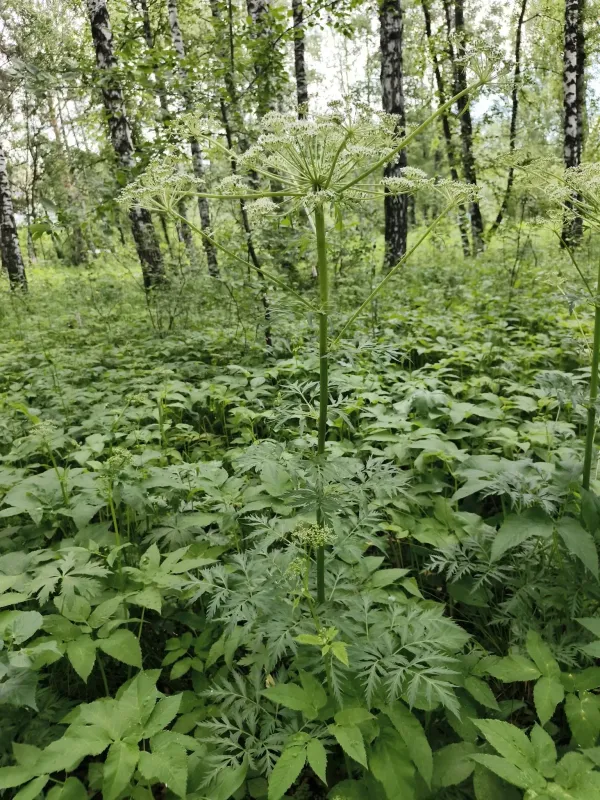
Description
Sowing dates
Pleurospermum camtschaticum is a perennial herbaceous plant belonging to the Apiaceae family. In its natural habitat, it reproduces primarily through seeds, making it a hardy species adapted to northern regions.
The seeds have a natural dormancy period, making autumn sowing in open ground the most effective method for successful germination. This approach allows the seeds to undergo natural stratification throughout the winter months.
If spring sowing is required, seeds must undergo cold stratification at low positive temperatures for two to three months. Seeds are sown at a depth of 1–2 centimeters, ensuring the soil remains moist until emergence.
Industrial planting schemes typically utilize row spacings of 45–60 centimeters. This arrangement simplifies weed management and harvesting operations. In the first year, plants grow slowly, primarily developing a basal rosette of leaves.
By the second or third year, the plant initiates active flower stalk development. The species is highly amenable to transplantation during its early growth stages, allowing for nursery-grown seedlings to be used for large-scale field establishment.
Growing requirements
The crop thrives in moderately moist, fertile loam soils with excellent drainage. A slightly acidic to neutral soil pH level is ideal, facilitating optimal nutrient uptake for the plant's root system.
As a cold-hardy species native to Kamchatka and the Kuril Islands, Pleurospermum camtschaticum is highly resistant to freezing temperatures, allowing it to survive harsh winters without protective coverings.
While the plant requires sufficient sunlight for vigorous development, it can tolerate partial shade during peak sun hours. Avoiding waterlogged soil in spring is crucial to prevent root rot and crown damage.
Nutritional needs are met through the incorporation of organic matter prior to planting, supplemented by nitrogen-rich fertilizers during the vegetative growth phase. Potassium and phosphorus are essential for frost hardening and robust seed development.
Regular soil cultivation, including hoeing and weeding, is vital, especially during the first year of growth when the seedlings are highly susceptible to competition from weeds.
Yield
The yield of Pleurospermum camtschaticum varies based on plant age and soil conditions. Maximum biomass production is generally achieved during the second and third years after field establishment.
Agricultural use focuses on the harvest of young leaves and stems, which contain aromatic compounds. These are often used as culinary herbs or as vitamin-rich additives in various food processing applications.
The medicinal properties of the plant, including the presence of essential oils and flavonoids, make it valuable for pharmaceutical production. Harvesting for drying should occur during peak flowering to maximize active compound concentration.
Seed production is generally stable in cooler climates, although extreme temperature fluctuations during pollination can impact results. Timely harvesting of seed heads is necessary to prevent pre-harvest loss due to shattering.
With proper management, the crop produces a significant yield of biomass per hectare, supporting both food and pharmaceutical industries through raw ingredient extraction.
Main diseases and pests
Common crop diseases include fungal infections favored by high humidity, such as powdery mildew and various leaf spot pathogens that reduce foliage quality.
Pests like aphids and umbelliferous moths can cause damage to developing stems and flower buds. Integrated pest management strategies, including the use of selective insecticides, are recommended when thresholds are exceeded.
Root rot is often associated with poor drainage or overwatering. Maintaining optimal soil moisture levels and practicing crop rotation are key preventative measures against these soil-borne threats.
Nematode infestations can damage roots, particularly in lighter soil types. Pre-planting soil testing and the use of clean, certified planting material are critical for ensuring plantation health.
Essential protective measures include:
- Ongoing monitoring of crop health and development.
- Removal of post-harvest crop residues to lower inoculum levels.
- Strategic application of phosphorus-potassium fertilizers to boost natural plant immunity.
Harvesting
Harvesting biomass can be performed manually or mechanically depending on the size of the plantation. The optimal time for collection is during the early morning after dew has evaporated but before temperatures spike.
For culinary use, leaves and stems should be harvested before the onset of budding. This ensures the material remains tender and free from the fibrous structures that develop later in the growth cycle.
Seed collection is a selective process, timed with the browning of the umbels. Harvested heads should be dried in well-ventilated areas under shelter before threshing and cleaning the seed mass.
Following the primary harvest, mowing the remaining stalks close to the ground encourages the plant to store energy in its root system for the upcoming winter season.
Storage requires strictly controlled conditions, specifically low humidity and protection from direct sunlight, to ensure the longevity and quality of the raw material.