
Lesser burnet-saxifrage
Pimpinella saxifraga L.
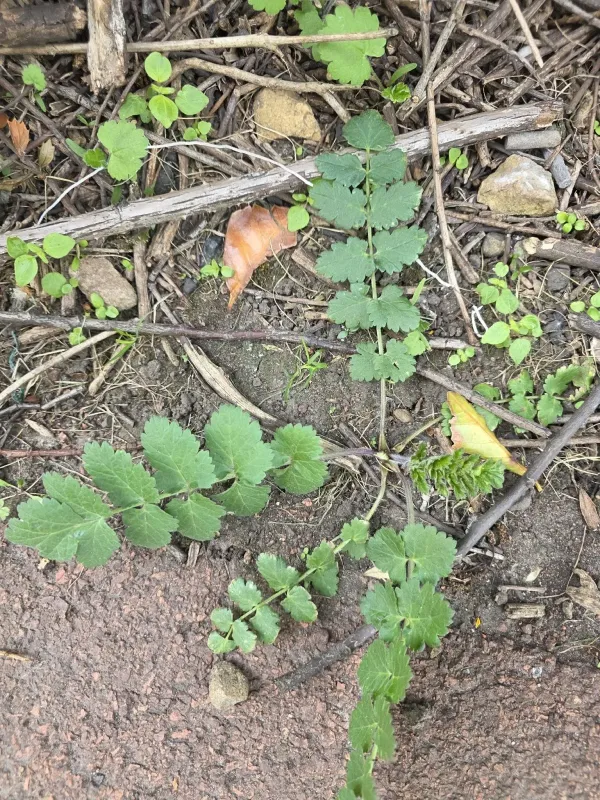
Description
Sowing dates
Lesser burnet-saxifrage is a perennial herb belonging to the Apiaceae family, native to Europe and parts of Western Asia.
Seeds are typically sown in autumn or early spring, requiring adequate moisture and a firm, well-prepared seedbed for successful germination.
The planting density is managed by spacing rows 45 to 60 centimeters apart, allowing sufficient airflow for the plants as they mature.
It is crucial to sow seeds at a shallow depth of approximately 1-2 centimeters, as deeper burial can significantly reduce the emergence rate.
Since the plant is a slow starter, weed control during the early stages of development is essential for a high-quality establishment of the crop.
Growing requirements
The plant thrives in temperate climates, showing high adaptability and cold hardiness across various growing zones throughout the season.
Lesser burnet-saxifrage prefers well-drained, lime-rich soils and full sunlight, though it can tolerate partial shade in hotter southern regions.
It is essential to avoid sites with waterlogged soils, as poor drainage is the primary cause of root rot in this specific botanical species.
Regular monitoring of soil nutrient levels is recommended to support the accumulation of essential oils within the roots and foliage.
While the plant is drought-tolerant once established, supplemental irrigation during extreme dry spells can improve overall biomass production.
Yield
Commercial yields are optimized through systematic cultivation, with root harvest typically occurring in the second or third year of the plant's cycle.
The plant provides both medicinal roots and edible foliage, making it a valuable crop for diversified farming and herbal medicine sectors.
Proper soil management and fertilization plans are vital to reaching target yields of approximately 1.5 to 2 tons of dry root per hectare.
Post-harvest processing involves cleaning and drying, which requires careful temperature control to maintain the integrity of its aromatic compounds.
Consistent cultivation cycles ensure a sustainable supply for pharmaceutical companies that utilize Pimpinella species for various digestive treatments.
Main diseases and pests
Pests like aphids and certain caterpillars can cause damage to the tender growth, requiring integrated pest management strategies for effective control.
Powdery mildew represents a significant fungal threat, especially in seasons with high humidity or when plants are grown in poorly ventilated conditions.
Maintaining proper spacing between plants helps minimize the microclimate humidity that often triggers the onset of various fungal infections.
Regular sanitation of the field, including the removal of dead plant debris, is a key practice for limiting the overwintering of pathogens.
Biological treatments remain the preferred choice for managing insect infestations in organic and sustainable cultivation settings.
Harvesting
Roots should be harvested in late autumn, ideally when the plant enters dormancy, to ensure the highest concentration of active compounds.
Mechanical harvesting tools can be used on larger farms, provided they are calibrated to avoid unnecessary damage to the root system during extraction.
Foliage intended for culinary or medicinal use is best gathered at the beginning of the flowering stage, ensuring maximum potency of the herb.
Immediately after collection, the plant material must be cleaned and transported to drying facilities to prevent oxidation and loss of essential oils.
Storage conditions must be cool and dry, protecting the finished product from moisture to ensure long-term stability and quality for the end-user.