
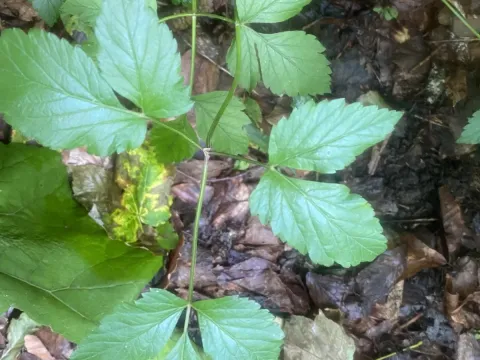
Peucedanum aegopodioides
Peucedanum aegopodioides
Peucedanum aegopodioides is a perennial herbaceous plant belonging to the Apiaceae family, often cultivated for its specialized medicinal and phytochemical properties.
What the section contains
Peucedanum aegopodioides
Sowing should take place in early spring or late autumn, as the seeds benefit significantly from a period of cold stratification to overcome natural dormancy.
The seeds are relatively small and should be sown at a shallow depth of approximately 1–2 cm to ensure they receive enough warmth and moisture to germinate.
Proper soil preparation is critical: the seedbed must be fine-textured, free of debris, and well-leveled to support uniform seedling emergence across the field.
Depending on the cultivation scale, seeds can be sown in rows with spacing tailored to the equipment used for subsequent mechanical weed control.
This species thrives in well-drained loamy or sandy soils that provide both adequate aeration and the moisture retention necessary for consistent root development.
Sunlight is a key requirement, as the plant prefers open locations with full sun exposure to promote healthy growth and secondary metabolite accumulation.
While tolerant of various climates, the plant shows the best vigor in temperate zones with moderate rainfall and well-defined seasonal temperature cycles.
Soil fertility management should focus on balanced NPK applications, prioritizing organic matter incorporation to improve soil structure and long-term vitality.
Irrigation scheduling is particularly important during the first year of growth, as the plant needs to establish a deep taproot before it can withstand periodic dry spells.
Fungal diseases such as powdery mildew represent the primary biological threat, especially in seasons with high humidity or poor air circulation within the canopy.
Insect pests, including aphids and various umbellifer-specific moths, can significantly impact leaf area and overall plant health if left unmanaged.
Implementing a strict crop rotation schedule is the most effective preventative measure against soil-borne pathogens that target the Apiaceae family.
Weed competition can be severe in the early growth stages, making timely cultivation and manual weeding essential to protect young plants from being smothered.
Integrated pest management strategies should be applied to maintain yield potential while minimizing the use of broad-spectrum synthetic chemical pesticides.
The harvesting of leaves is typically performed during the peak of vegetative growth, strictly prior to the plant initiating its reproductive phase.
For root-based medicinal products, harvesting should be conducted in the late autumn of the second or third growing year when the active compounds are most concentrated.
Post-harvest processing involves gentle cleaning of the material followed by efficient drying at controlled temperatures to prevent degradation of essential oils.
Seed harvesting requires precision, as the seeds mature rapidly and can easily shatter if not collected at the optimal stage of golden-brown maturity.
Final storage conditions must remain dry and cool, ensuring that the harvested material maintains its quality and shelf life throughout the distribution period.