
Lilaeopsis novae-zelandiae
Lilaeopsis novae-zelandiae
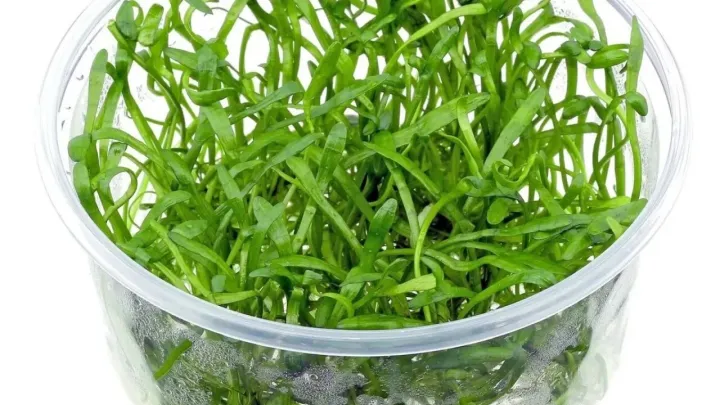
Description
Growing requirements
Lilaeopsis novae-zelandiae is a member of the Apiaceae family. It is a perennial marsh plant native to New Zealand, primarily found in coastal environments ranging from freshwater to brackish water zones, where it forms dense, grass-like mats.
Botanically, it is defined by its creeping rhizomes and thin, jointed leaves. In an aquatic context, it is highly valued for its ability to create a lush, carpet-like appearance on the substrate, making it a popular choice for aquatic landscaping.
The cultural success of this species largely depends on light intensity. To maintain its characteristic low growth pattern and prevent leggy, elongated stems, it requires high-intensity lighting conditions for several hours each day.
Regarding soil and water chemistry, this plant prefers a nutrient-rich, fine-grained substrate. It is relatively adaptable to various water temperatures, typically thriving between 18°C and 25°C, provided the water parameters remain stable throughout the year.
Consistent CO2 supplementation and the application of micronutrient fertilizers are crucial for vigorous growth. The plant propagates naturally via horizontal stolons; by providing adequate space and nutrition, the colony can steadily spread across the bottom of the container.
Main diseases and pests
The primary threat to Lilaeopsis novae-zelandiae is the overgrowth of algae, such as filamentous types or black brush algae. These competitors can rapidly cover the plant leaves, depriving them of the light necessary for photosynthesis.
Nutritional imbalances often manifest as chlorosis or stunted growth. A deficiency in key macronutrients like nitrogen, phosphorus, or potassium will cause the leaves to turn yellow or become translucent, eventually weakening the entire plant structure.
Environmental stability is essential to prevent tissue necrosis. Rapid shifts in pH or water hardness can cause significant stress, which often results in the dissolving of leaves and failure to establish a firm root system in the substrate.
Mechanical damage to the rhizomes during maintenance can lead to fungal issues. If the stolons are cut or crushed, pathogens may enter the tissue, potentially leading to local decay that can spread if not managed through proper care.
While severe pest infestations are uncommon in submerged culture, specific types of snails may graze on fresh growth. Maintaining a balanced ecosystem and controlling snail populations are necessary steps to keep the carpet healthy and undisturbed.