
Lilaeopsis mauritiana
Lilaeopsis mauritiana
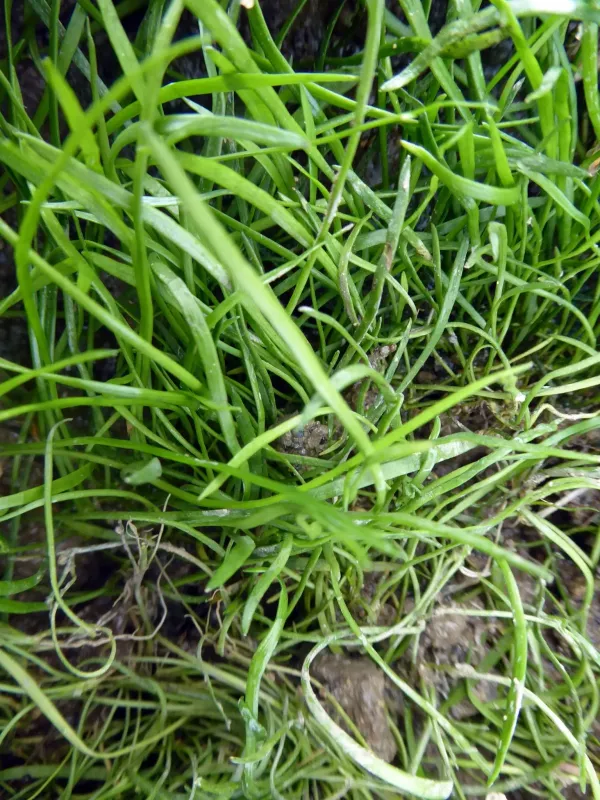
Description
Growing requirements
The optimal water temperature for Lilaeopsis mauritiana ranges from 20 to 26 degrees Celsius. It thrives in soft to medium-hard water with a pH level between 6.5 and 7.5, which mimics its natural habitat conditions.
High light intensity is critical for success. Without strong lighting (ideally 0.5–1 watt per liter or equivalent LEDs), the plant will grow vertically, becoming sparse and losing its characteristic compact lawn appearance.
A fine-grained, nutrient-rich substrate is essential for healthy root development. Sand or specialized aquatic soil that allows the stolons to creep easily is recommended, as coarser substrates may hinder the spread of the plant.
Carbon dioxide injection is highly beneficial. Adding CO2 helps the plant maintain a robust growth rate and ensures the leaves remain a vibrant green, especially in high-light, high-tech aquarium setups.
Regular fertilization with micronutrients, especially iron, is necessary to prevent yellowing of the leaves. Maintaining a clean water column through regular water changes prevents mineral buildup and inhibits algae growth.
Main diseases and pests
The most significant threat to Lilaeopsis mauritiana is competition from algae, particularly hair algae. Algae can quickly smother the low-growing carpet, leading to stunted growth and eventual death of the plant.
Substrate compaction is another major issue. If the soil becomes too dense or lacks oxygen, the root system will begin to rot, causing the plant to detach from the substrate and decompose.
Improper nutrient levels, specifically iron deficiency, can cause chlorosis. While not a disease, it weakens the plant's resilience, making it more susceptible to environmental stressors and pathogens.
Herbivorous fish and invertebrates can occasionally damage the plant's delicate leaves. While usually minor, excessive pressure from these animals can prevent the establishment of a full lawn.
Lack of water circulation can lead to dead spots in the carpet where detritus accumulates. These areas can harbor harmful bacteria and fungi, potentially leading to patches of necrosis within the lawn.