
Ligusticum-leaved hogweed
Heracleum ligusticifolium
Description
Sowing dates
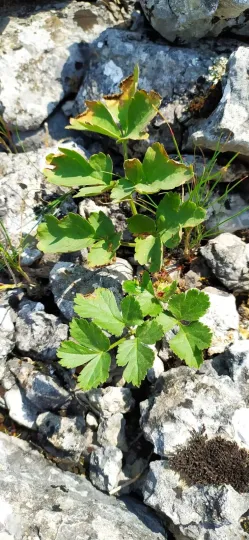
The Ligusticum-leaved hogweed Heracleum ligusticifolium is a member of the Apiaceae family, recognized for its distinct, pinnate leaves that differ from more aggressive related species.
Propagating this crop involves sowing seeds that require a stratification period of several weeks at low temperatures to break dormancy and ensure high germination rates.
Sowing is best performed in late autumn or early spring, depending on the climatic zone, to align with the plant's natural growth cycle in the northern hemisphere.
Spacing the rows at 60 to 70 centimeters allows for adequate airflow and provides enough space for mechanical weeding, which is essential during the establishment phase.
Seeds should be planted at a shallow depth of approximately 1–2 centimeters, ensuring they remain in contact with moist soil to trigger the development of the root system.
Growing requirements
This crop thrives in sunny locations, requiring full sunlight or light shade to optimize its photosynthetic capacity throughout the growing season.
Rich, loamy soils with high organic matter content are ideal, as they provide the nutrients necessary for the rapid development of its massive leaf rosettes.
Maintaining a neutral soil pH is important, as acidic or highly alkaline conditions can inhibit the uptake of essential microelements and stunt overall growth.
While the plant is hardy, it requires consistent moisture during dry spells; however, standing water and poor drainage can lead to root rot and other pathologies.
Climate suitability is broad, provided that the growing region has enough cumulative heat units to support the development of mature foliage and stalks.
Yield
The agricultural value of this species lies in its potential for biomass production, often utilized as a specialized component in livestock forage systems.
Yield peaks during the second and third years of cultivation, when the plant reaches its full physiological potential and produces the most vegetative matter.
Nitrogen-based fertilization, applied during the initial spring growth spurt, significantly boosts the dry matter yield and enhances the overall protein content.
Harvesting should be timed precisely before the flowering phase to prevent lignification of the stems, which reduces the digestibility of the forage.
Under optimal agronomic management, growers can achieve consistent yields that compare favorably to other forage plants within the Apiaceae family.
Main diseases and pests
Powdery mildew is a primary concern, especially in areas with stagnant air and high humidity, necessitating proper spacing between plants to encourage ventilation.
Various insects, such as the carrot rust fly or other umbellifer-specialist pests, may damage the root systems and foliage, requiring proactive management.
Weed management is critical, as competing vegetation can introduce diseases or harbor pests that specifically target members of the Umbelliferae group.
Proactive monitoring of the crop is recommended to identify early signs of fungal infection or larval presence on the undersides of the leaves.
- Regular inspection of the root collar
- Integrated pest management practices
- Selection of disease-resistant seeds
- Sanitary measures after harvest
Harvesting
Harvesting is typically done using flail mowers or similar equipment that can handle robust stems while chopping the material for ensiling or immediate feeding.
The ideal harvest period is during the early budding stage, as this timing offers the best balance between biomass volume and nutritional quality of the forage.
Post-harvest handling is critical, as high-moisture forage tends to heat up rapidly, which can lead to significant loss of nutrients if not processed immediately.
Ensiling is the preferred method of storage, as it preserves the nutritional integrity of the plant material over the winter months for livestock feed.
Farmers must exercise caution and wear protective gear during harvesting to avoid contact with sap, which can cause skin irritation in some individuals.