
Laser archangelica
Laser archangelica
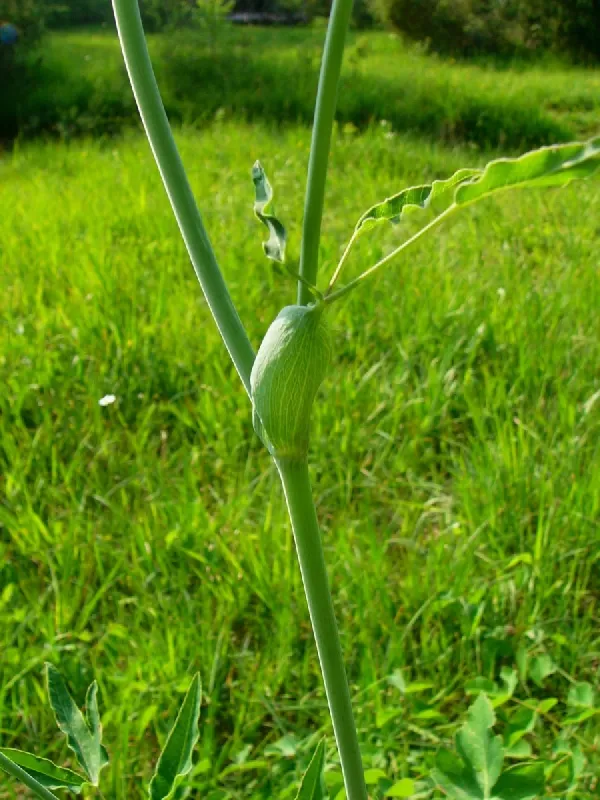
Description
Sowing dates
Laser archangelica seeds require cold stratification to break dormancy. Sowing in late autumn or early winter is the most effective method to ensure synchronized germination in the following spring.
When spring sowing is planned, seeds must be stored under cool conditions or treated before planting. The sowing depth should be kept shallow, approximately 1 cm, to prevent seed suffocation.
Maintaining proper spacing is crucial for this species, as it develops a robust leaf rosette. Rows should be spaced at least 50 cm apart to allow for proper plant development and maintenance.
The seeding rate should be calibrated to avoid overcrowding, which can hinder root development. High-quality seeds with high germination energy are essential for establishing a healthy crop stand.
Careful weed control during the seedling stage is vital, as young plants compete poorly with aggressive weeds. A clean seedbed preparation is the first step toward a successful cultivation cycle.
Growing requirements
As a member of the Apiaceae family, Laser archangelica thrives in locations with moderate sunlight. It is well-suited to sheltered spots that provide protection from strong winds and intense midday heat.
Well-drained, fertile soil rich in organic matter is preferred for optimal growth. Avoid waterlogged conditions, as this species is susceptible to root rot in heavy, compacted soils.
The plant requires a balanced moisture regime. While it shows some tolerance to temporary dry spells once established, regular irrigation during active growth periods maximizes yields.
Soil reaction should be neutral or slightly alkaline. Acidic soils can significantly restrict the development of the taproot, which is the primary value-adding part of the plant.
The plant is known for its excellent winter hardiness. It can withstand severe winter conditions without the need for additional protection, making it an ideal choice for temperate regions.
Main diseases and pests
Fungal diseases, particularly powdery mildew and leaf spots, represent the main threat to the crop. These pathogens thrive in high humidity and poor air circulation conditions.
Insect pests, such as aphids and umbellifer moths, are common in Apiaceae crops. These pests can cause significant damage to the foliage and affect the overall vitality of the plantation.
Proactive management of the plantation environment, such as timely thinning and weeding, helps prevent disease outbreaks. Good ventilation is the best defense against fungal issues.
If chemical interventions are necessary, they must be used selectively to protect beneficial insects. Biological control agents are preferred for maintaining the ecological balance of the field.
Soil-borne pests can also cause damage to the root system. Periodic monitoring and crop rotation help mitigate the risk of buildup of harmful soil organisms over successive years.
Harvesting
Harvesting strategies depend on the desired end-use of the product. Roots are best harvested in the autumn of the second or third year, when active substances are at their peak concentration.
After excavation, roots should be washed thoroughly and sliced for uniform drying. Drying should occur in a well-ventilated space with controlled temperature to retain volatile oils.
Foliage harvesting is performed during the flowering stage. Careful handling ensures that the plant structure is preserved, which can allow for continued growth in subsequent years.
Correct storage conditions are essential for maintaining the quality of the harvested material. Keep all products in airtight containers in a cool, dark, and dry environment.
Seed harvesting should take place as soon as the seed heads mature and change color. After cleaning and drying, seeds can be stored for future planting, maintaining high viability if stored cool.