
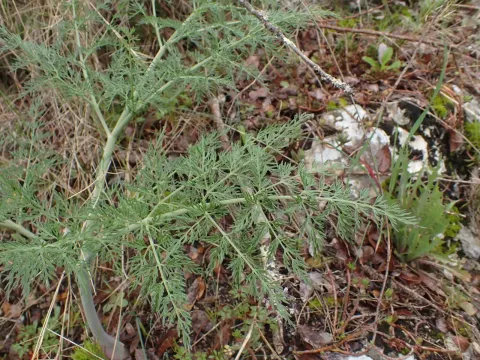
Ferula glauca
Ferula glauca
Ferula glauca is a perennial herbaceous plant belonging to the Apiaceae family. It is typically propagated by seeds, which require a period of cold stratification to overcome dormancy before they will germinate successfully.
What the section contains
Ferula glauca
Seeds should be sown in autumn or early spring at a shallow depth of about 1–2 centimeters. Using a light, well-draining substrate is essential to ensure that the small seedlings are not smothered during their initial growth phase.
Growth during the first season is generally slow as the plant invests energy into developing a robust taproot. Consistent but moderate moisture is necessary until the plants are firmly established in the soil.
Proper spacing is important for the health of the plants, typically requiring at least 60 centimeters between rows to ensure adequate airflow and prevent overcrowding as the plants mature.
Selecting a site with full sun exposure is critical for the success of Ferula glauca. The plant relies on high solar radiation to synthesize the essential oils and resins for which it is cultivated.
This species thrives in dry, rocky, or sandy soils that offer excellent drainage. It is highly sensitive to waterlogged conditions, which can quickly lead to root rot and total loss of the crop.
As a xerophytic plant, Ferula glauca is well-adapted to arid and semi-arid environments. It exhibits remarkable drought tolerance, making it suitable for regions with limited rainfall.
The plant prefers a neutral to slightly alkaline soil pH. In acidic environments, it often shows signs of poor growth and nutrient deficiency, limiting its overall development.
It is hardy and can withstand significant seasonal temperature fluctuations, including cold winters and hot, dry summers. This resilience allows it to persist in various harsh climates.
Fertilizer application should be handled with caution; organic matter or balanced mineral supplements are generally sufficient. Excessive nitrogen should be avoided as it may lead to weak stems.
Soil-dwelling pests, such as wireworms, pose a significant threat to the taproot system, particularly in young plants. Monitoring soil health and implementing rotation is standard practice.
Fungal diseases like powdery mildew and root rot are common in conditions of poor drainage or high humidity. Maintaining proper spacing and ventilation is the best preventative strategy.
Leaf-feeding insects, such as aphids or mites, may occasionally colonize the foliage during hot, dry spells. Early detection and targeted treatment can mitigate the risk of damage.
Rust diseases can occur if spring rainfall is excessive. Keeping the foliage as dry as possible through adequate spacing helps maintain the plant's overall vigor and resistance.
Overall, Ferula glauca is a resilient species that requires minimal intervention once it has adapted to its environment and established a strong root system.