
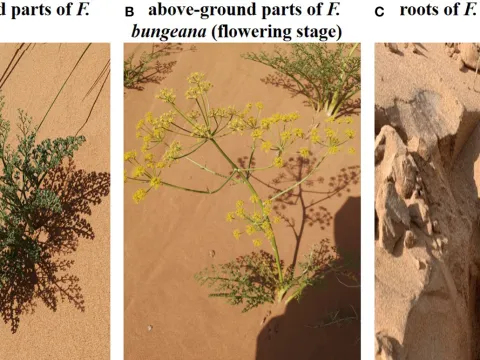
Ferula bungeanum
Ferula bungeanum
The sowing of Ferula bungeanum is best performed in late autumn, as the seeds require a period of stratification to break dormancy and ensure high germination rates in the spring. Direct drilling is the most common method.
What the section contains
Ferula bungeanum
If spring sowing is chosen, artificial stratification in moist sand at low temperatures for 60 to 90 days is mandatory. Rows should be spaced 45 to 60 centimeters apart to allow sufficient space for rosette growth.
Seeds should be placed at a depth of 1–2 centimeters, ensuring the soil remains consistently moist until germination is complete. This is critical because initial seedling growth is notoriously slow.
During the first year, the crop develops only a small basal leaf rosette. Growers must focus on weed control during this phase, as competition can easily stunt the young, slow-growing plants.
By the second or third year, the plants become more robust, developing a stronger root system and the capacity to produce flower stalks once the environmental conditions trigger the generative phase.
Ferula bungeanum belongs to the Apiaceae family and is native to arid and semi-arid regions of Central Asia. It thrives in well-drained, sandy, or rocky soils with a deep water table.
This crop is highly drought-tolerant, but moderate irrigation is required during the active growth phase to ensure optimal biomass production. Excess soil moisture must be avoided at all costs to prevent root rot.
Full solar exposure is essential for this species. Ferula bungeanum does not perform well in shaded conditions and requires significant light intensity to synthesize its characteristic chemical compounds.
The soil should be neutral or slightly alkaline, preferably rich in calcium. Proper nutrient management, particularly early in the season, helps establish the deep taproots that define this species.
The climatic requirements include a continental pattern with distinct seasons. This temperature fluctuation is vital for the biological cycle of the plant, including its dormant winter period.
The agricultural value of Ferula bungeanum is derived from its chemical properties, particularly the compounds found in its roots and aerial parts. Peak productivity is generally observed from the third year onwards.
The root biomass is the primary source of active compounds, which accumulate significantly as the plant approaches the flowering stage. Careful timing of harvest is required to maximize yield.
Mechanical harvesting is feasible, provided the machinery is adjusted to target the correct depth of the root system. Proper cleaning of the raw material immediately after lifting is required to ensure quality.
Productivity is highly dependent on planting density and the consistency of the soil environment. Successful plantations can yield high volumes of extractable biomass if managed professionally.
Long-term sustainability of the plantation is achieved by ensuring that young plants are not harvested prematurely, allowing the root system to build up sufficient reserves for future growth cycles.
Fungal diseases, including Fusarium and various root rots, are the most significant threats to Ferula bungeanum, especially in poorly drained soil. Strict moisture control is the best preventative strategy.
Pests such as the umbellifer moth can damage flower stalks and reduce seed viability. Monitoring for these insects during the spring growth phase is essential for commercial cultivation.
Weed infestation is a major competitor for resources in the first year of growth. Mechanical inter-row cultivation is preferred over heavy herbicide application to maintain crop health.
Bacterial pathogens often enter the plant through wounds caused by improper cultivation practices. Hygiene during soil management is paramount for maintaining the health of the entire field.
Severe late-spring frosts can stress the plants, making them more susceptible to opportunistic infections. Adequate nutrient levels can help the plants recover from such environmental setbacks.
The aerial parts should be harvested during the peak flowering phase when the concentration of essential oils is at its highest. Rapid post-harvest drying is necessary to preserve volatile compounds.
Roots are harvested during the dormant autumn season when energy reserves are sequestered underground. This period ensures the highest quality of raw material for pharmaceutical or industrial processing.
The roots are lifted using specialized equipment to a depth of at least 30 centimeters to minimize damage. Immediate removal of soil is required to prevent moisture accumulation on the roots.
Drying must be conducted in well-ventilated conditions at temperatures not exceeding 45 degrees Celsius. Exceeding this temperature can lead to the degradation of sensitive chemical constituents.
Storage should be in cool, dry, and dark environments using breathable containers to prevent spoilage and maintain the chemical potency of the product over long periods.