
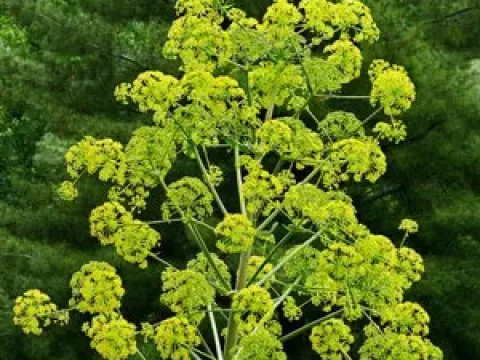
Ferula ammoniacum
Ferula ammoniacum
Ferula ammoniacum, a member of the Apiaceae family, is a perennial herb well-adapted to arid and semi-arid environments. The plant is characterized by a large taproot that serves as a reservoir for nutrients and its signature resinous exudate.
What the section contains
Ferula ammoniacum
The crop thrives in well-drained, sandy, or stony soils with low water retention capabilities. It is highly intolerant of waterlogged conditions, which can lead to rapid root decay and plant mortality in poorly managed fields.
Exposure to direct, intense sunlight is essential for the healthy physiological development of the plant. High light intensity is correlated with increased accumulation of resinous compounds, making sunny, open locations mandatory for commercial success.
Ferula ammoniacum requires a climate with significant temperature fluctuations between day and night, typical of high-altitude or continental steppe regions. It is resilient to heat and cold but performs best when moisture levels remain low during the peak growth months.
Soil fertility requirements are relatively low; the plant adapts better to poorer mineral-rich soils than to those enriched with nitrogen-heavy fertilizers. Excessive fertilization can degrade the quality of the gum resin produced by the plant.
The most effective sowing period is late autumn, as seeds require a period of natural cold stratification to break dormancy. Sowing in spring without prior treatment often results in significantly lower germination rates.
Seeds should be sown at a shallow depth of approximately 1-2 centimeters. Over-burying the seeds prevents the young shoot from reaching the surface before the seed reserves are exhausted, leading to failure in stand establishment.
Maintaining proper spacing is crucial for individual plant health, with rows spaced 60-70 centimeters apart. Denser plantings increase humidity around the root crown, which significantly elevates the risk of fungal disease outbreaks.
Minimal irrigation is needed during the establishment phase, specifically to assist in early germination. Once the taproot has developed sufficiently, the crop exhibits high drought tolerance and requires little to no supplemental watering.
The initial growth phase is slow, with the plant dedicating its energy to establishing its deep taproot. Growers should be prepared for a period of several years before the plant reaches a maturity stage suitable for resin collection.
Root rot is the primary threat to Ferula ammoniacum, usually caused by poor drainage or excessive irrigation. Fungal pathogens thrive in the stagnant moisture around the crown, leading to rapid plant decline.
Various insect pests, particularly borers that target the taproot, can cause structural damage to the plant. Monitoring and early intervention are necessary to prevent infestations from destroying the plant's ability to produce resin.
Weed competition is a significant concern during the first year of growth. Since the plant develops slowly, it can be easily smothered by aggressive grasses or weeds that compete for sunlight and soil nutrients.
Rodents may cause damage by chewing on the fleshy roots during dormant periods or severe winter conditions. Protecting young plantations from wildlife is an essential component of professional field management.
Environmental stress, such as extreme late-spring frosts, can damage the crown of the plant, weakening its defense mechanisms against secondary pathogen attacks. Maintaining overall plant vigor through proper site selection is the best way to mitigate these threats.
Harvesting involves the collection of gum resin, which is manually induced by making shallow incisions in the root crown. This technique requires precise execution to maximize yield while ensuring the longevity of the plant.
The harvest cycle is timed to the plant's peak flowering phase, when the metabolic processes are optimized for resin production. Skilled laborers perform the incisions, followed by periodic harvesting of the hardened resin droplets.
Post-harvest processing includes cleaning the resin from soil particles and plant debris. It is critical to dry the raw resin in a shaded, well-ventilated area to prevent the loss of aromatic compounds through rapid evaporation.
Yield consistency depends on the plant's age and health, with mature plants producing higher volumes of high-quality resin. Over-harvesting in a single season can lead to plant exhaustion and future production decline.
Storage of the finished product must be done in airtight containers to preserve its chemical profile. Proper documentation and sorting by quality grade are essential for maintaining the commercial value of the harvested gum.