
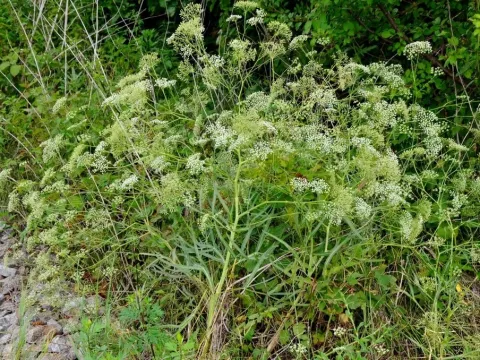
Falcaria vulgaris
Falcaria
Falcaria vulgaris, commonly known as sickleweed, is a perennial herb belonging to the Apiaceae family. Its cultivation begins with the selection of well-drained soil, as the plant is sensitive to waterlogging but highly adaptable to various soil types once established.
What the section contains
Falcaria vulgaris
The sowing process is typically conducted in early spring. Seeds require a period of cold stratification to break dormancy, or they can be sown in late autumn to experience natural winter conditions, ensuring a uniform germination rate when temperatures rise in spring.
Seed depth should be maintained at approximately 1.5 to 2 centimeters to ensure adequate contact with moist soil. Because the plant develops a deep taproot, it is essential to prepare the seedbed thoroughly by tilling the ground to a sufficient depth before planting.
Row spacing is a critical factor for managing long-term growth. When grown in rows, a distance of 40 to 60 centimeters is recommended to allow for mechanical weeding and to provide enough space for the plant's expansive foliage and flowering stalks during the second year.
Early stage development is relatively slow. Producers should be prepared to manage weeds during the first months of growth, as the seedling's limited competitive ability may lead to suppression if the surrounding area is not kept clean.
Falcaria vulgaris is renowned for its drought tolerance and ability to thrive in harsh environments. It prefers sunny, open locations, as excessive shade restricts the development of the basal rosette and reduces the concentration of beneficial compounds in the plant tissues.
The plant is not overly demanding regarding soil fertility. It performs well in calcareous and alkaline soils, demonstrating a unique ability to adapt to environments where other forage or medicinal crops might fail. A soil pH between 6.5 and 7.5 is ideal for its development.
Water management is focused on providing irrigation only during the establishment phase. Once the plant's taproot is fully developed, it becomes highly self-sufficient, drawing moisture from deeper soil layers, which makes it an excellent choice for arid farming regions.
Temperature tolerance is high, as the species is winter-hardy and can withstand significant seasonal fluctuations. Its dormant phase allows the plant to survive freezing temperatures, with regeneration occurring reliably in the spring from the crown.
Regular maintenance involves keeping the soil surface loose, especially after rainfall, to ensure proper gas exchange for the root system. Proper aeration of the soil prevents compaction, which is particularly beneficial for the long-term health of the taproot.
Common plant diseases affecting sickleweed include powdery mildew and various foliar spots, which often appear if planting density is too high. Improving air circulation around the plants and avoiding overhead irrigation are primary preventive measures.
Pests, particularly aphids and larvae of moths that feed on Apiaceae, can cause damage to the flower umbels and tender leaves. Effective management requires constant monitoring throughout the growing season to prevent significant damage to the floral parts.
Integrated pest management (IPM) is the best approach for maintaining a healthy crop. This includes utilizing natural predators, maintaining field hygiene to reduce habitat for pests, and employing targeted chemical treatments only when threshold levels are exceeded.
Root health is vital to the longevity of the plant. Pathogens leading to root rot are typically associated with poor drainage or over-irrigation. Proper site selection and site preparation are the most effective strategies to mitigate these risks from the outset.
Crop rotation remains an important strategy, even for perennials, to prevent the buildup of soil-borne pathogens. Rotating the fields every few years or integrating the crop into a larger farm management plan ensures sustained productivity and plant vigor.